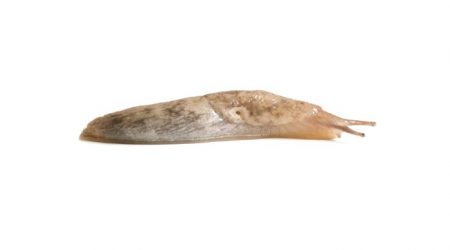
Grey field slug
The most commonly cited pest species in the UK, and one of the most serious global plant pests
Read about grey field slug
Excellence in plant and microbial science
What the most common types of slugs found in the UK look like, their habitats and pest species status
The most commonly cited pest species in the UK, and one of the most serious global plant pests
Read about grey field slug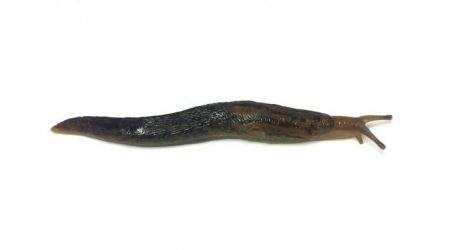
Potential pest of garden plants, especially within greenhouses
Read about balkan threeband slug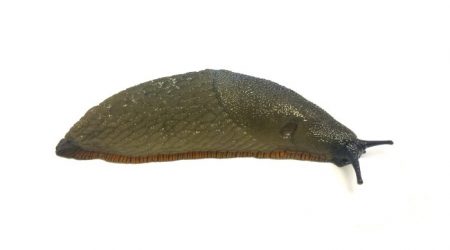
This species is known to feed on live plant material, however it has a extensive omnivorous diet and feeds on decaying vegetation and food waste
Read about large red slug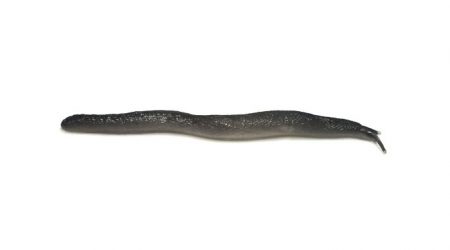
Can be found on all types of disturbed land, usually living a subterranean lifestyle in worm borrows, or in other holes or cracks in the ground
Read about worm slug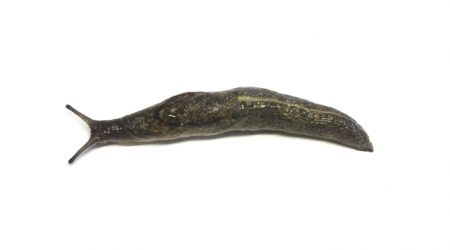
Found in most lowland habitats, including gardens, farmland, woodland and grasslands. Can be a pest above and below the ground, especially in heavily cultivated areas
Read about sowerby's keeled slug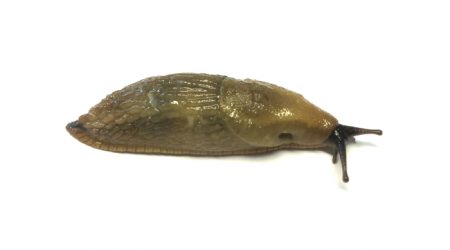
Most often found in gardens and other urban areas, they have been known to build up to big numbers in gardens and allotments
Read about green soled slug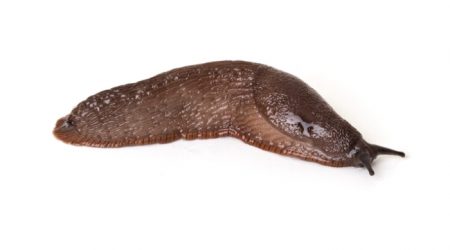
Can reach extremely large populations, with an extensive omnivorous diet that includes excrement, dead animals, garden plants and a variety of crops that are not normally susceptible to slug feeding
Read about spanish slug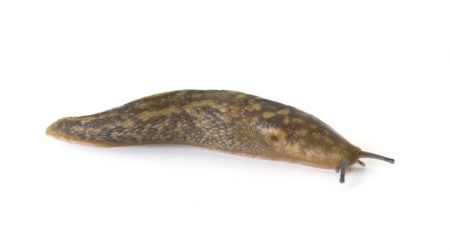
Not a known pest of live plants; it will regularly eat mould and algae and is often found within compost heaps
Read about green cellar slug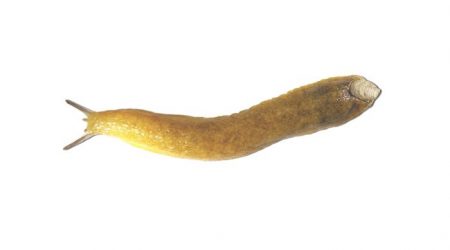
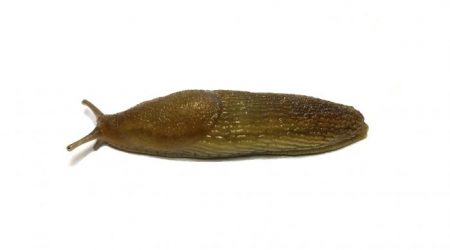
Not considered a major pest, although due to its omnivorous diet it has been known to cause damage within home gardens
Read about dusky slug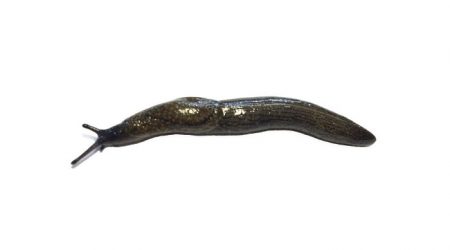
Considered a major pest both above and below ground, especially for root crops, bulbs and newly drilled seeds
Read about budapest keeled slug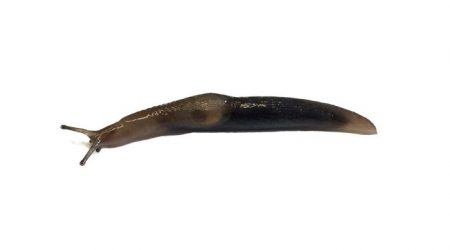
Ubiquitous with most lowland habitats, it is considered to be a minor agricultural and horticultural pest
Read about brown field slug