Can this biotech innovation halt the destructive march of a cereal killer?
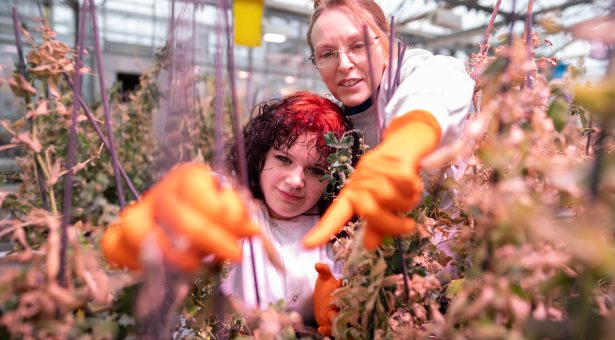
A UK-led research collaboration has taken a significant step in the global effort to protect cereal crops from the devastating blast fungus pathogen
Read the story
Excellence in plant and microbial science
A UK-led research collaboration has taken a significant step in the global effort to protect cereal crops from the devastating blast fungus pathogen
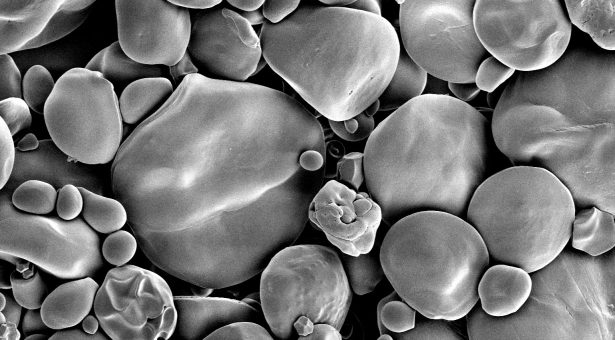
Read the storyScientists have grown wheat containing super-sized starch granules — a leap forward in biological engineering with potential benefits for our daily diets and a raft of industrial applications
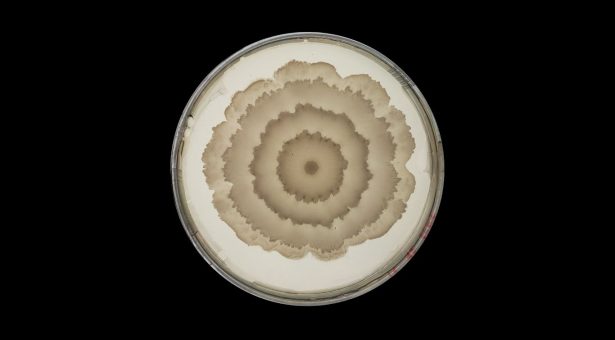
Read about giant wheat starch granules - a big biotech breakthrough with potential benefits for manufacturing industriesResearch has revealed how bacteria rely on circadian clocks to control the spread of their multi-cellular colonies
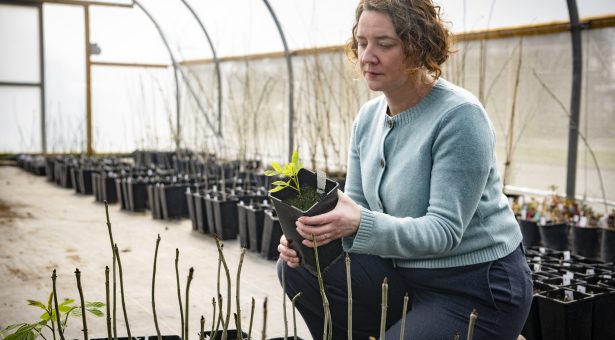
Read about rings of power – how bacteria use circadian clocks to colonise their worldA fast-track method of breeding disease-resistant ash trees has been developed by researchers leading efforts to conserve the species
Read about the fast-track tree breeding method that is restoring ash to the landscapeThe John Innes Centre and The Sainsbury Laboratory are delighted to announce a £5 million investment from The Garfield Weston Foundation
Read about the garfield weston foundation invests £5m in world-class research facilitiesAddressing critical challenges in wheat health, yield, and production in order to safeguard the future of this vital global staple crop
Find out moreDelivering genetic diversity and knowledge, innovative technologies and training to allow sustainable production of robust high-yielding crops including oilseed rape, pea, cereals and Brassica vegetables to identify and overcome key challenges caused by our changing climate
Find out moreUnlock the remarkable and under-exploited biosynthetic capabilities of plants and microbes to make valuable new molecules to address global challenges of food security and human health
Find out moreDelivering new solutions to promote beneficial interactions and disease/pest resistance in crops of both national and global significance
Find out moreThe John Innes Centre and The Sainsbury Laboratory are delighted to announce a £1.6 million investment from the Wolfson Foundation, supporting a next-generation glasshouse, insectary, and horticultural research facility.
Read moreThere are so many ways you can get involved.
Read more