Joining the home of Streptomyces research
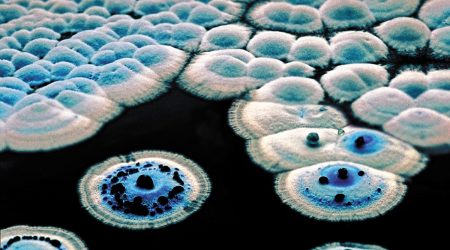
We welcome the latest group to join an ongoing quest to understand Streptomyces - a bacteria crucial to human health and medicine - led by Professor Matt Hutchings
Read the story
Excellence in plant and microbial science
We welcome the latest group to join an ongoing quest to understand Streptomyces - a bacteria crucial to human health and medicine - led by Professor Matt Hutchings
Read the story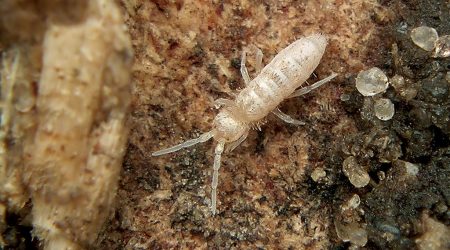
You may not have heard of geosmin but, wherever you may be on this planet, it is highly likely that you’d recognise its smell. New research by scientists in Sweden and the UK has helped to explain why it exists
Read the story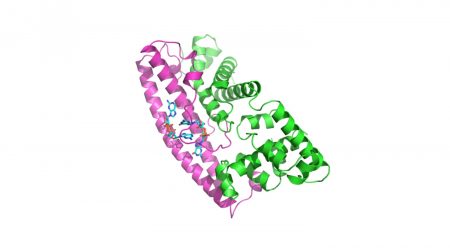
A new study using the model species Streptomyces venezuelae has shown that c-di-GMP intervenes later in development to control the differentiation of the reproductive hyphae into spores
Read the story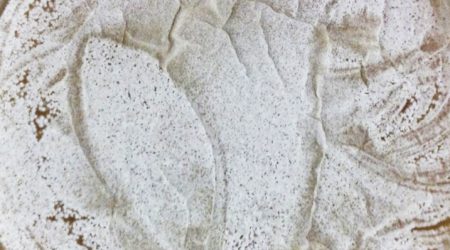
What if, under certain environmental conditions, production of these molecules gave a selection advantage to Streptomyces formicae: could the organism adapt (evolve) rapidly, maybe even through a single mutation, to produce much higher levels of the formicapyridines?
Read the story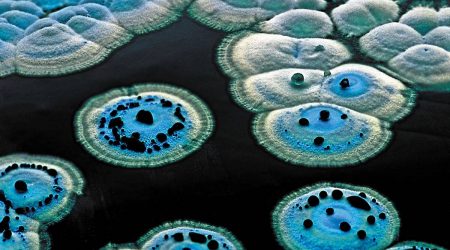
The soil in our gardens, the leaves of plants, the deep sea and even in our own intestines are all a raging battleground for bacteria, struggling to stay alive and get the nutrients they need
Read the story
Streptomyces are soil-dwelling bacteria that produce approximately two-thirds of the antibiotics in current clinical use
Read the story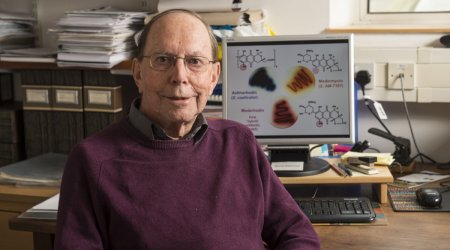
Professor Sir David Hopwood has been named in a Society of Biology poll of influential scientists
Read the story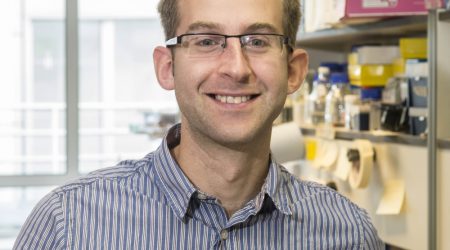
The Royal Society has appointed a university research fellowship to Dr Andrew Truman, funding him to work at the John Innes Centre for an initial five years. Dr Truman, joined the institute at the beginning of October and will investigate how bacteria are able to make medically useful compounds. “I find it astounding that nature...
Read the story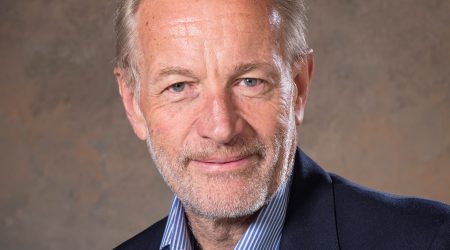
The enthusiasm of a school biology teacher helped fuel Professor Mervyn Bibb’s own curiosity. Today, as antibiotic resistance nears a crisis point, his work to understand how soil bacteria produce antibiotics is more vital than ever
Read the story