Harnessing the soil microbiome for crop health
Pick up a handful of soil and you’d be holding many millions of tiny microbes. These organisms may be microscopic but their impact on plants and agriculture is enormous.
Microbes like bacteria, viruses and fungi might make us think of infections we’ve had, or mouldy fruit and vegetables. However, microbes aren’t all bad. We now understand that microbes in the soil (collectively known as the soil microbiome) are key partners in plant health and agriculture.
Naturally occurring soil bacteria protect plants against disease, and improve plant growth.
With global agriculture facing the dual challenges of feeding a growing population while also reducing its environmental impact, harnessing these microbes offers an opportunity to reduce chemical inputs and their environmental impacts.
Over the last decades, our understanding of the importance of microbes to plants has really grown. Found in the soil, in the rhizosphere (the soil directly in contact with a plant’s roots) and in the plants themselves, we are learning which microbes are important, how they work and how beneficial interactions between microbes and plants can support each other.
It is well known that bacteria produce a vast array of natural products. For example, Streptomyces and Pseudomonas are famous for producing antibiotics we use in human medicine, but these same natural products can also combat disease and boost growth in crops.
Protecting against plant disease
Here at the John Innes Centre, we’re looking at how we can use microbes to protect crops, identifying naturally occurring bacteria which protect a range of crops from different plant infections. We’re working to translate these discoveries into ‘Biocontrol’ products farmers can use, treatments that use living organisms such as microbes, nematodes and insects to protect plants against pests and diseases.
By isolating and testing hundreds of strains of Pseudomonas bacteria from the soil, we have identified strains that suppress pathogen activity and sequenced the genomes of these variants to find out how they are protecting crops from pathogens. So far we have applied this approach to crops including potatoes, berries and kiwifruit.
We have also found that Streptomyces bacteria can live inside the roots of important crops such as bread wheat, and provide protection against fungal disease.
Creating biocontrol treatments made up of specific beneficial microbes, or cocktails of microbes, to boost the soil microbiome reducing plant disease and build healthier soils. We can even match specific strains to the type of crop and soil type to create reliable protection for major agricultural diseases.
Promoting plant growth
Microbes don’t just help to protect plants, they can even help them to grow. Plants and the microbes that live on and around their roots have developed mutually beneficial relationships, or symbioses. Microbes provide nutrition and help the plant to withstand stress, and the microbes get to feed on the molecules made by the plants in return.
The specific mix of sugars a plant makes through photosynthesis, including amino acids and other metabolites attracts different combinations of microbes. Our researchers found that getting the right combination of microbes in the soil, helped the crops to grow better.
Changing the crops themselves
However, to fully harness the power of microbes to support plant health and growth, we can start to adapt the plants to make them more welcoming to beneficial soil microbes.
We have found mutations that can enable crops to work with microbes in the soil better, helping wheat to access and absorb nutrients from the soil. This discovery could mean significantly less reliance on fertiliser and paves the way for more sustainable, lower input farming practices in the future.
We are also studying the way a plant’s roots impact the surrounding soil and microbiome, and whether we can use this to control the activity of surrounding microbiome, to benefit both the crop and the surrounding soil.
Towards sustainable agriculture
We’re continuing to build on our understanding of the physiology of soil microbes and microbe communities, working to find out how microbes communicate with plants, and each other. These important interactions, and how they impact the wider environment, could unlock ways to improve plant performance to make agriculture more sustainable.
By bring together these different approaches we can create a powerful biological toolkit to supports healthier, more resilient crops. Mighty microbes indeed.
Image credit: Dr Katie Noble
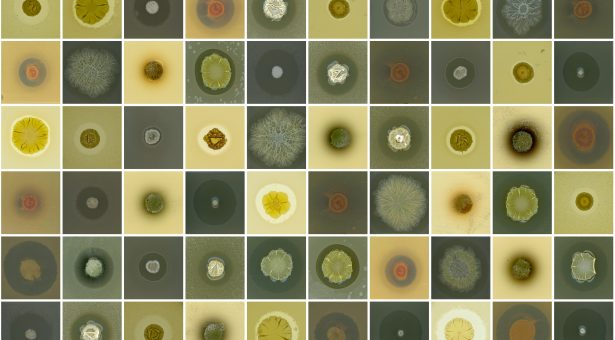
Image caption: A collation of bioactivity screens carried out to test the antimicrobial production of different Streptomyces bacteria against pathogens like MRSA, E.coli and Candida albicans.