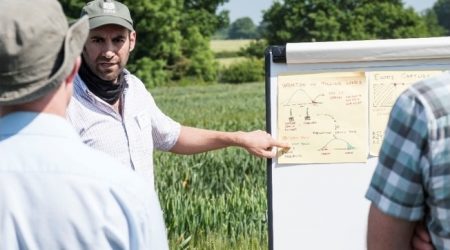
Major award recognises UK and global impact of wheat scientist
World-leading wheat scientist, Dr Cristobal Uauy, has been awarded the prestigious Research Medal by The Royal Agricultural Society of England (RASE)
Read the story
Excellence in plant and microbial science
World-leading wheat scientist, Dr Cristobal Uauy, has been awarded the prestigious Research Medal by The Royal Agricultural Society of England (RASE)
Read the story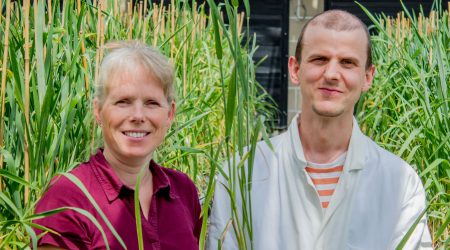
Scientists at the John Innes Centre have developed a variety of wheat that contains high levels of iron
Read the story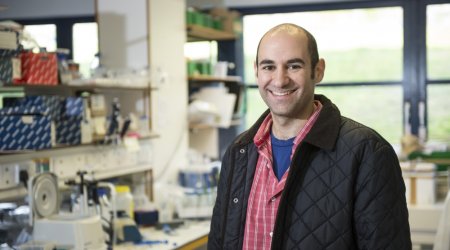
John Innes Centre scientist Dr Cristobal Uauy has received national recognition for his pioneering work in global wheat breeding programmes
Read the story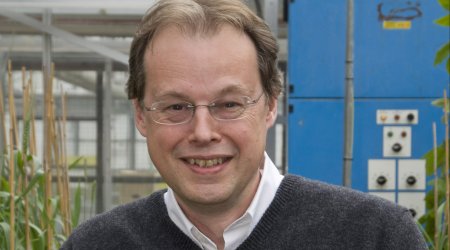
Professor Graham Moore and the University of Bristol’s Professor Keith Edwards have been jointly awarded the 2018 Rank Prize in Nutrition (Human and Animal Nutrition and Crop Husbandry) for their exceptional contribution to wheat research.
Read the story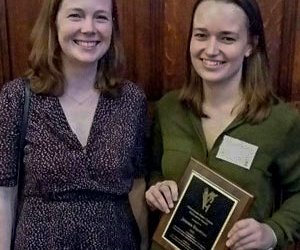
Jemima Brinton, a PhD student in her final year at the John Innes Centre, has been awarded the PhD Monogram Early Career Excellence Award (MECEA) at the 2017 annual MonoGram meeting in Bristol
Read the story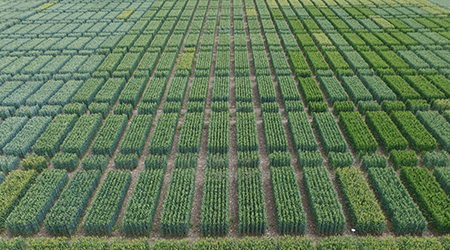
Scientists at the John Innes Centre, working in partnership with colleagues at the Earlham Institute, The Sainsbury Laboratory and the European Bioinformatics Institute, report in the journal Genome Research the most accurate and complete DNA sequence analyses of the wheat genome to date
Read the story
A team of scientists in the UK and USA have generated a new ground-breaking resource of ten million mutations in bread and pasta wheat varieties
Read the story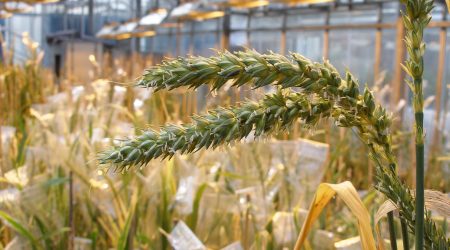
Identifying the gene for an interesting trait that might help you breed better crops isn’t always easy – especially if you’re working with wheat or barley
Read the story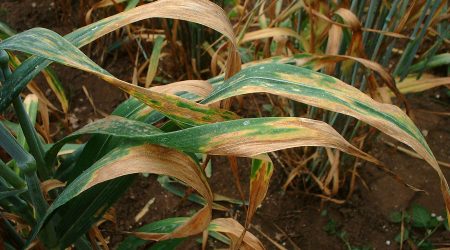
A new paper explains why plant breeders have found it difficult to produce wheat varieties which combine high yield and good resistance to Septoria, a disease in wheat which can cut yield losses by up to 50%
Read the story