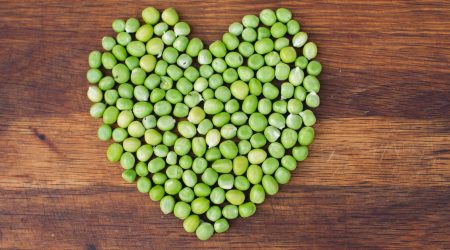
What is good for you is bad for infectious bacteria
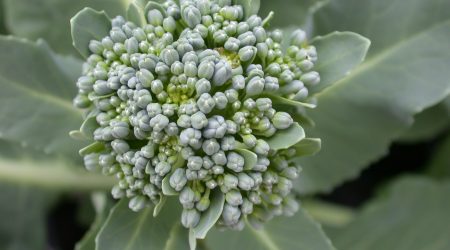
Plants are able to protect themselves from most bacteria, but some bacteria are able to breach their defences
Read the storyPlants are able to protect themselves from most bacteria, but some bacteria are able to breach their defences
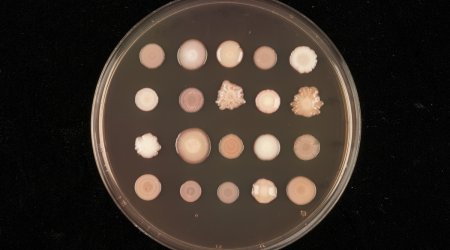
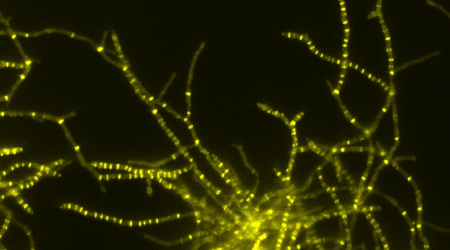
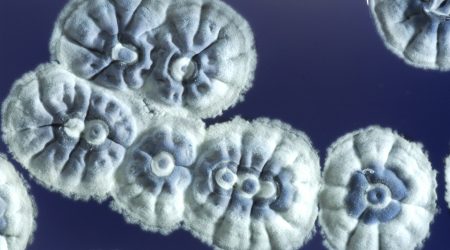
Read the storyTo help in the search for new antibiotics, Juan Pablo Gomez-Escribano and Professor Mervyn Bibb have adapted a strain of Streptomyces coelicolor to express clusters of genes found from genome sequencing projects whose functions are unknown
Read the storyAphids are some of the most destructive insect pests of crop plants, not only through the damage they cause from feeding but also through transmitting a variety of economically important diseases
Read the storyRevGenUK, the mutation detection service based at the John Innes Centre is poised to take advantage of the newest advances in genomic technology, supported by The Genome Analysis Centre Capacity and Capability Challenge Programme
Read the storyJohn Innes Centre researchers are working with plant breeders to understand more about the economically important fungal disease, eyespot and identify novel sources of genetic resistance to the disease that could be used to protect our cereal crops
Read the storyGardeners could help maintain bumblebee populations by growing plants with red flowers or flowers with stripes along the veins, according to field observations of the common snapdragon, Antirrhinum majus, at the John Innes Centre in the UK
Read the storyProfessor Dale Sanders FRS has taken up his post of Director and Chief Executive of the John Innes Centre
Read the storyA team of UK researchers has publicly released the first sequence coverage of the wheat genome
Read the storyPlant scientists at the John Innes Centre have provided a new solution to an old debate on why species hybrids are often more vigorous than their parents
Read the story