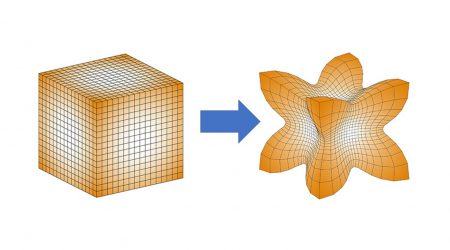
New tool reveals how the different shapes of organisms grow
A new tool has been created to explain how tissue growth leads to the range of plant and animal forms we see around us
Read the story
Excellence in plant and microbial science
A new tool has been created to explain how tissue growth leads to the range of plant and animal forms we see around us
Read the story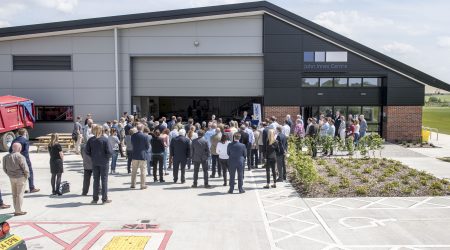
The Dorothea de Winton Field Station unveiled this week is a key component in a smart-farming revolution
Read the story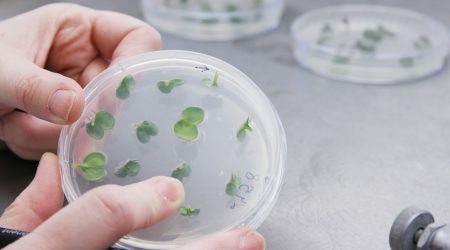
Genome Editing and Genetic Modification may sound the same, but they mean slightly different things, which has led to uncertainty, and different interpretations globally, as to how the two should be regulated
Read the story
John Innes Centre researcher Dr Diane Saunders has received a major award for her pioneering work in helping to combat global crop pathogens
Read the story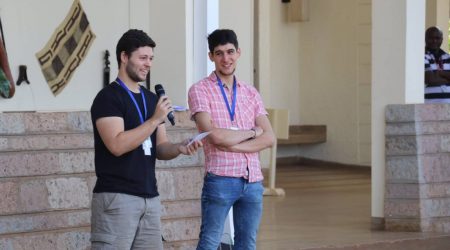
PhD student Danny Ward has just returned from a 3-month placement in Kenya as part of his PhD, so we asked him what it was like to head out of the lab
Read the story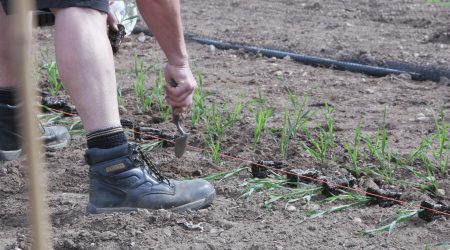
Field trials of wheat biofortified to produce white flour with extra iron have begun following approval by the Government
Read the story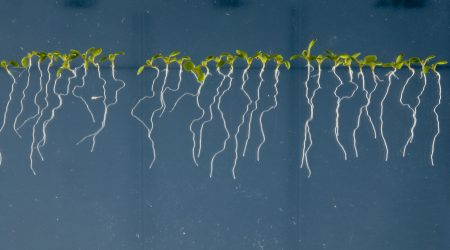
It’s been known for centuries that plants produce a diverse array of medically-valuable chemicals in their roots
Read the story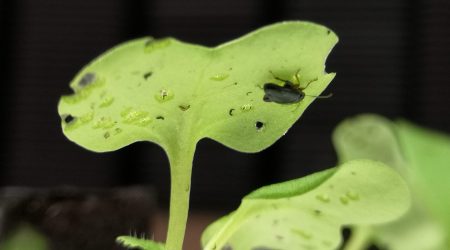
Oilseed rape crops are worth £700m+ to the UK economy each year but are increasingly vulnerable to the devastating Cabbage Stem Flea Beetle. We asked PhD student Lucy Thursfield, who is working on CSFB in collaboration with French company Innolea to explain what the problem is and how we are working towards a solution
Read the story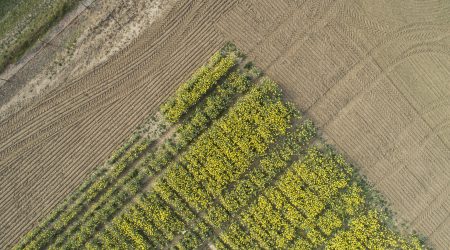
UK rapeseed growers are losing up to 25% of their crop yield each year because of temperature rises during an early-winter weather window
Read the story