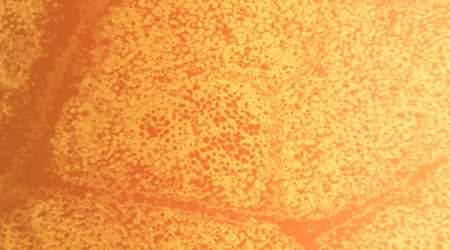
New research could make it easier to grow health-promoting blood oranges
For the red pigmentation to develop, blood oranges normally require a period of cold as they ripen
Read the story
Excellence in plant and microbial science
For the red pigmentation to develop, blood oranges normally require a period of cold as they ripen
Read the story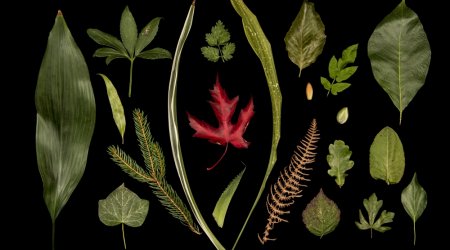
Leaves come in all shapes and sizes and scientists have discovered simple rules that control leaf shape during growth
Read the story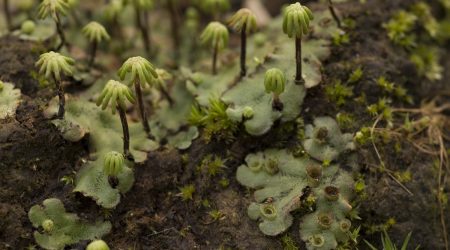
Research rooted in Norwich science has revealed how the arrival of the first plants 470 million years ago triggered a series of ice ages
Read the story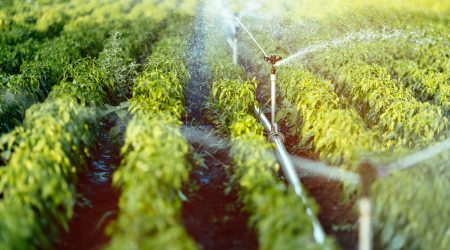
Too much sun, too much heat and not enough water makes us sick. The same goes for plants. Including ones that feed us and our livestock
Read the story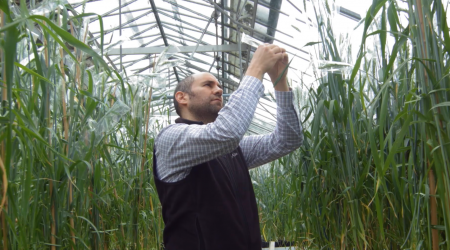
Dr Cristobal Uauy of the John Innes Centre has been awarded the “Bayer Early Excellence in Science Award” 2011 for Biology for his work in the research area of wheat genetics
Read the story
Dr Mark Banfield and his group have deciphered the structures of protein molecules used by some of the most destructive plant pathogens to promote host infection
Read the story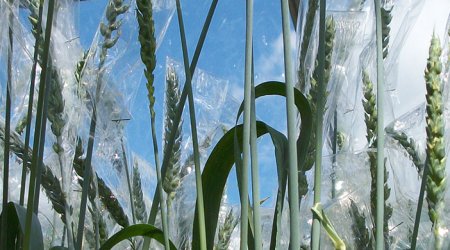
New and more virulent crop diseases are predicted to emerge as a result of climate change
Read the story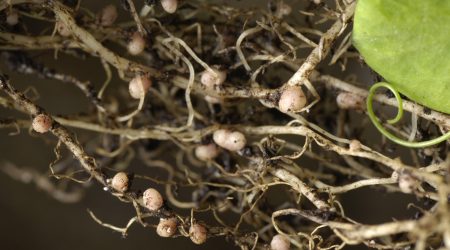
The genome of Medicago, a close relative of alfalfa and a long-established model for the study of legume biology, has been sequenced by an international team of scientists, capturing around 94% of its genes
Read the story
Scientists at the John Innes Centre and the University of East Anglia are pioneering a powerful combination of computer modelling and experimental genetics to work out how the complex shapes of organs found in nature are produced by the interacting actions of genes
Read the story