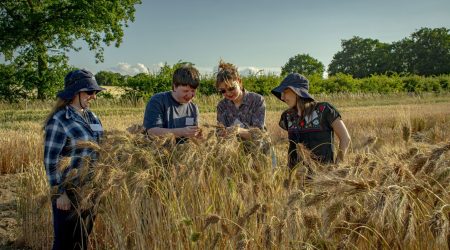
Securing the future of technical skills through T Level placements
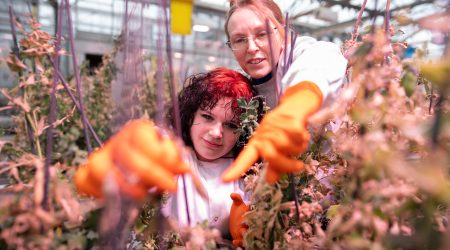
We are passionate about inspiring the next generation of plant and microbial scientists and are proud to have hosted our first two T Level students in 2025.
Read the storyWe are passionate about inspiring the next generation of plant and microbial scientists and are proud to have hosted our first two T Level students in 2025.
Read the storyJune marks Pride Month, and Leah Milner-Campbell, Neurodiversity project officer, explores this as a time to celebrate authenticity, resilience, and the courage to live openly as our true selves.
Read the storyMay marks the beginning of Tourette Syndrome Awareness Month. It aims to destigmatise Tourette Syndrome (or Tourette’s) and increase public understanding of this often-misunderstood condition. As part of our ongoing Understanding, Valuing and Celebrating Neurodiversity Project, we're focussing on how research institutions can better support and harness the unique strengths of colleagues with Tourette Syndrome.
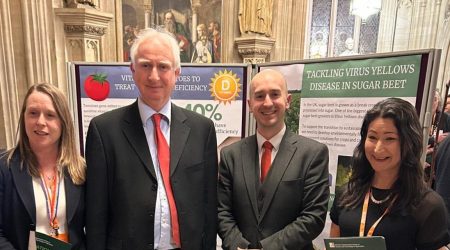
Read the storyParliament has now passed the secondary legislation to implement the Genetic Technology (Precision Breeding) Act for plants in England. It has taken years of hard work behind the scenes and a great number of people in our organisation, the Norwich Research Park Public Affairs Group, and beyond to encourage this change in legislation.
Read the storyAs part of our Understanding, Valuing and Celebrating Neurodiversity Project, we've been taking tangible steps to create a workplace where Autistic researchers and staff can truly thrive.
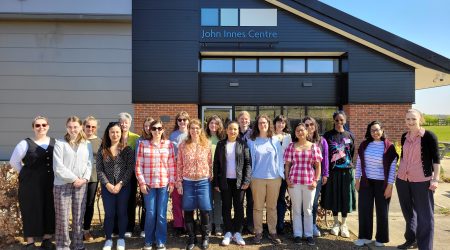
Read the storyAs part of the Rosalind Franklin Women in Wheat Champions programme, we welcomed twenty-nine early-career female wheat researchers from twelve different organisations to undertake female leadership training at our Dorothea de Winton Field Station.
Read the storyLaboratory-based research is essential for advancing society but it is also extremely energy and resource intensive. It’s estimated that laboratories are responsible for around 2% of global plastic waste and use 3-10 times more energy per metre squared than a typical office.
Read the storyIn our journey towards creating truly inclusive workplaces, understanding Neurodiversity allyship has become increasingly important. But what does it mean to be a Neurodiversity ally, and how can we meaningfully support our Neurodivergent colleagues? We spoke to some of our colleagues to find out.
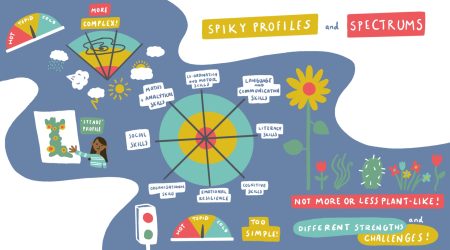
Read the storyAt the John Innes Centre, diversity is at the heart of what we do. Just as we celebrate and leverage biodiversity in our research to solve global challenges in plant and microbial science, we recognise that Neurodiversity - differences in how people think, process, and interact with the world - is equally vital to our success.
Read the story