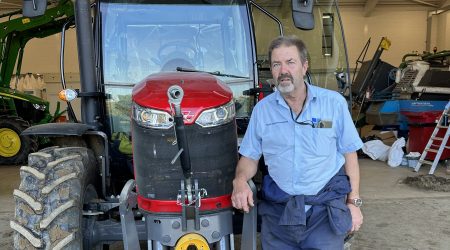
“I’m a lucky man… it’s a great place to work.”
Experimental farm Team Leader retires after 26 years of service to science
Read the story
Excellence in plant and microbial science
Experimental farm Team Leader retires after 26 years of service to science
Read the story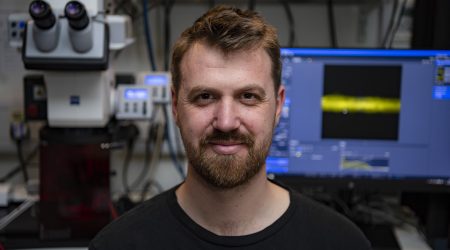
It's good to plan, especially when you are competing for space in a high-impact academic journal read by scientists the world over. But sometimes pure accident plays an influential part in achieving your ambitions: a chance observation that morphs into a major clue that leads to a brand-new view of the world
Read the story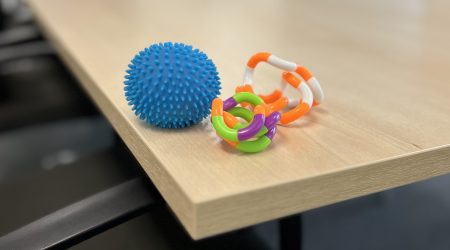
Embracing Neurodiversity is a crucial part of creating an inclusive environment where everyone can thrive, regardless of their cognitive style. That’s why we have developed an internal Neuroinclusive Communications Guide as part of our Understanding, Valuing and Celebrating Neurodiversity Project. Read on for four top tips from our guide that anyone can adopt to promote Neuroinclusive communication.
Read the story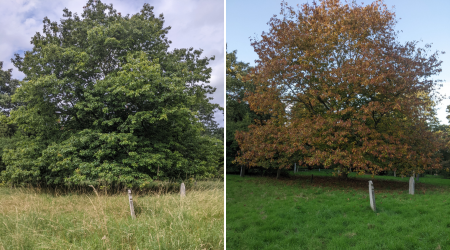
James Piercy, communications and engagement officer, works with our scientists to share their work and research with different audiences, including engaging school groups with plant and microbial science. He is also passionate about nature and in this blog, hot on the heels of the Woodland Trust’s Tree of the Year 2024, he shares the trees that he loves most in Norwich.
Read the story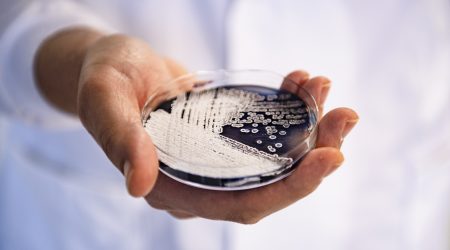
Microbes are found almost everywhere on Earth, and have evolved over the past 3.5 billion years to survive and thrive in diverse habitats, including in and on plants. The relationship between plants and microbes is complex; some microbes are beneficial, whilst others can cause devastating diseases.
Read the story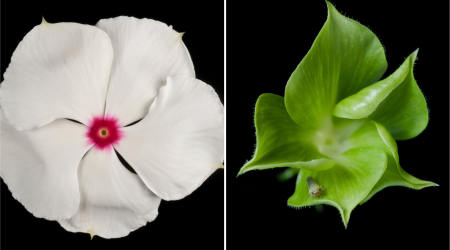
One day, a few years ago, a local teacher found something strange in his garden. The story that follows is one of plants, beer, bacteria, insects and ZOMBIES! For this Halloween special edition blog Dr Sam Mugford, research assistant, reveals the strange science of phytoplasmas, a group of plant-infecting bacteria with very peculiar properties, and how he made his own delicious zombie beer…
Read the story
Rebecca Plater is a Desktop Support Computing Engineer for the Norwich Biosciences Institutes Partnership (the organisation that provides a range of services to the John Innes Centre, Earlham Institute, Quadram Institute and The Sainsbury Laboratory). In this blog, she considers what it takes for an IT support team to be successful and how she supports the world-leading science taking place at the Norwich Research Park.
Read the story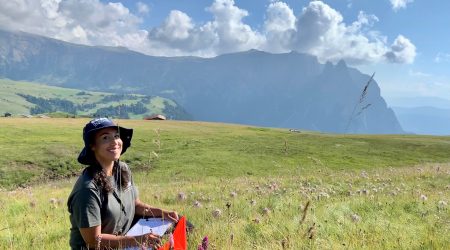
At our Heritage Open Day this year, Dr Mikhaela Neequaye talked about her research on the scent of flowers. Mikhaela describes herself as a chemical ecologist and studies the evolution and diversification of floral scent.
Read the story
“Neurodiversity is an important part of organisations, teams and society, and without people that think differently we wouldn’t be as creative, efficient or strategic.” Professor Graham Moore FRS, Director of the John Innes Centre As we observe Attention Deficit Hyperactivity Disorder (ADHD) Awareness Month and Dyslexia Awareness Week this October, it’s an opportune moment to...
Read the story