Two decades of pGreen
Twenty years ago, a new technology was developed here at the John Innes Centre, which revolutionised plant transformation and genetic engineering
Read the story
Excellence in plant and microbial science
Twenty years ago, a new technology was developed here at the John Innes Centre, which revolutionised plant transformation and genetic engineering
Read the story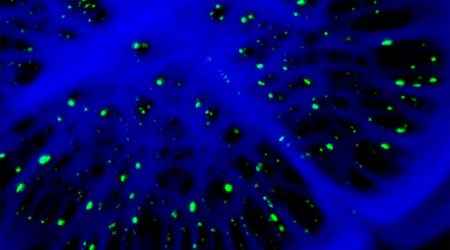
Matthew Johnston is a Phd student in the Dr Christine Faulkner lab. His research focuses on cell-to-cell communication in plants, so we asked Matt, how and why do cells communicate?
Read the story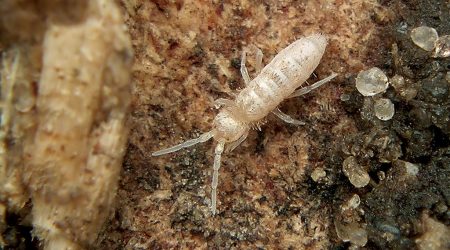
You may not have heard of geosmin but, wherever you may be on this planet, it is highly likely that you’d recognise its smell. New research by scientists in Sweden and the UK has helped to explain why it exists
Read the story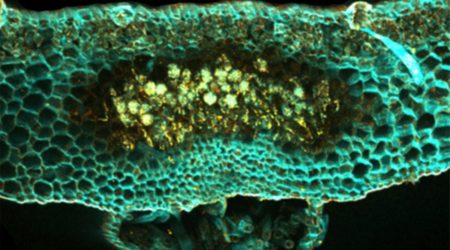
For billions of years life on Earth was restricted to aquatic environments, the oceans, seas, rivers and lakes. Then 450 million years ago the first plants colonised land, evolving in the process multiple types of beneficial relationships with microbes in the soil
Read the story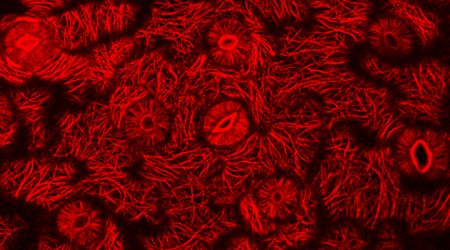
Researchers have solved the long-standing mystery of how plants control the arrangement of their cellulose fibres to grow, support themselves and store fixed carbon from the atmosphere
Read the story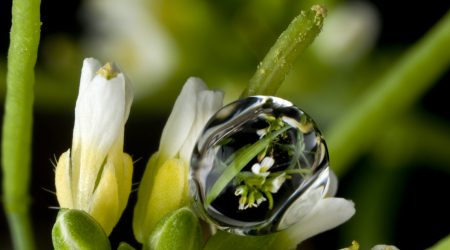
In many plants the timing of flowering is controlled by a range of environmental and molecular signals. One of these signals, prolonged cold, aligns flowering with spring in a process known as vernalization
Read the story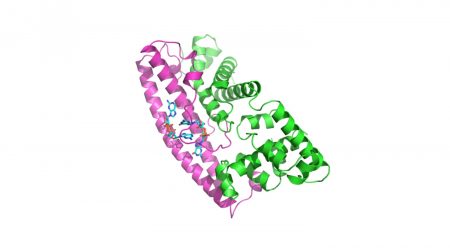
A new study using the model species Streptomyces venezuelae has shown that c-di-GMP intervenes later in development to control the differentiation of the reproductive hyphae into spores
Read the story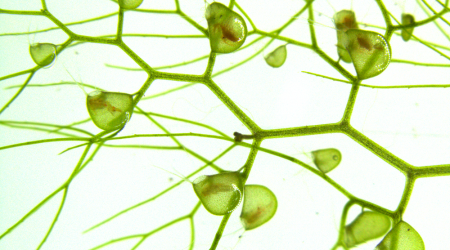
The secret recipe nature uses to make the diverse leaf shapes we see everywhere around us has been revealed in research
Read the story
It is understood that a process called Liquid-liquid phase separation (LLPS) plays an important role in the formation of membraneless organelles, but how is this important process regulated?
Read the story