
Improving human health through nutritious food
Human nutrition is key to ensuring a long and healthy lifespan with undernutrition both in the forms of a lack of calories or nutrients affecting billions of people globally.
In the UK, micronutrient deficiency, often termed hidden hunger, is a problem affecting rising numbers of people because we don’t eat enough food that is rich in nutrients. Nutrient deficiencies can result in diseases such as ricket and anaemia.
The HBio programme of research aims to tackle some of these challenges by developing crops to help improve human nutrition. Projects that we are working on include,
- Biofortified tomatoes with enhanced Vitamin D content. Vitamin D protects bone health and is important for immune function. In the UK almost 20% children have vitamin D levels below those recommended by Government. Our tomatoes provide a plant-based source of vitamin D, which could be used to enhance vitamin D levels in people directly or as a plant based supplement.
- Increased iron in wheat and pea. Iron is an important nutrient which supports growth, neurological development and cellular function. Iron is found in a variety of foods and in the UK, flour is fortified with iron to prevent deficiency. Our research has found ways to increase the amount of bioavailable iron in wheat and enhance the iron content of peas.
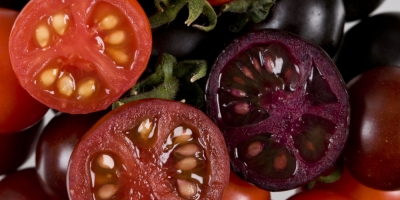
- We have developed purple-fleshed tomatoes using genetic engineering, which are high in levels of anthocyanins. Anthocyanins are antioxidants which, independent studies show, slow the progression of cancer and reduce inflammation. Purple fleshed tomatoes are now on sale in the US.
- Starch composition in wheat and potato. Starch is the main carbohydrate in our diet. It is found in staple crops such as cereals and potatoes. We are investigating genes and pathways to modify the shape and size of starch granules in these crops. Altering these properties will reduce the glycaemic index of the starch, helping to combat both obesity and type 2 diabetes.
- Grass pea is a crop grown in countries such as India and Ethiopia which is able to survive challenging environments and provide food when other crops fail. Its’ cultivation is hampered by a toxin which causes paralysis in malnourished people. Our research has been working towards eliminating this toxin through identification of the steps of the biosynthetic pathway.
Delivering crop improvements for human nutrition is dependent on our innovative research but also an integrated approach to policy and development. We are working with research collaborators for example the Quadram Institute (QIB), policy makers and industry. The Biofortification Hub is hosted by the the JIC and QIB to bring the community together, support innovative new projects and collaborations for delivering nutritious food to support human health.