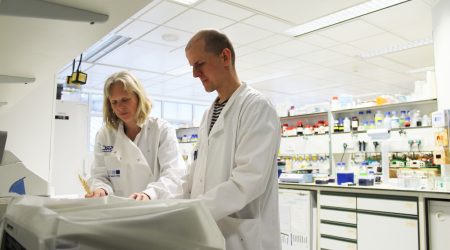
Field trials of high iron wheat reap promising first harvest results
Wheat that has been biofortified to produce white flour with increased iron has progressed successfully through the first season of field trials
Read the story
Excellence in plant and microbial science
Wheat that has been biofortified to produce white flour with increased iron has progressed successfully through the first season of field trials
Read the story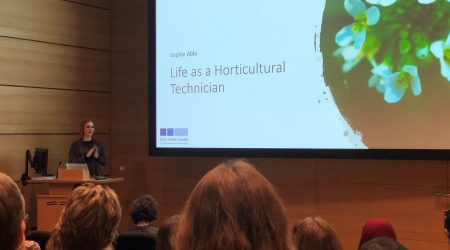
The story of the first Research Institute Technician Symposium, which took place at the Francis Crick Institute in London on Monday 18 November 2019
Read the story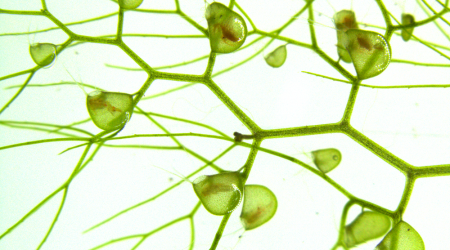
The secret recipe nature uses to make the diverse leaf shapes we see everywhere around us has been revealed in research
Read the story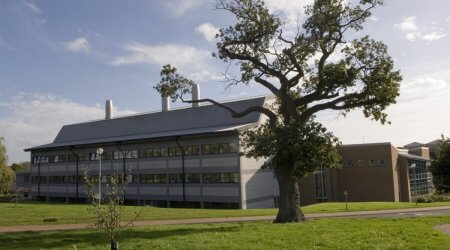
Two researchers at the John Innes Centre have been named in the annual Highly Cited Researchers 2019 List
Read the story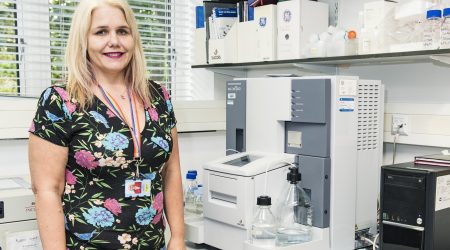
Clare Stevenson explains the increasing the use of Biophysical Analysis techniques and how we're making the science more accessible to a wider range of users
Read the story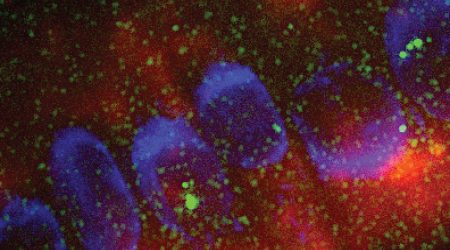
It is understood that a process called Liquid-liquid phase separation (LLPS) plays an important role in the formation of membraneless organelles, but how is this important process regulated?
Read the story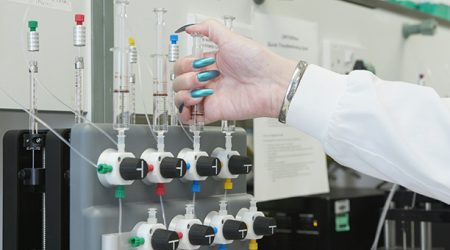
The University of Nottingham has published a report that highlights the equality, diversity and inclusion challenges facing technicians working in higher education
Read the story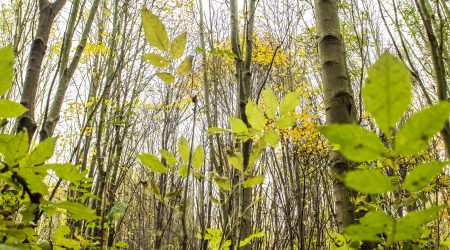
For the past decade the outlook has been gloomy for European ash trees devastated by Ash dieback and facing the threat of more invasive pests, but new research brings better news for native ash trees
Read the story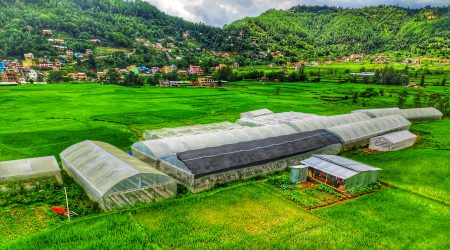
Recent work between plant pathologists at the John Innes Centre and plant breeding companies in the UK and Nepal are a great example of why sharing the knowledge we gain is an important part of being a scientist
Read the story