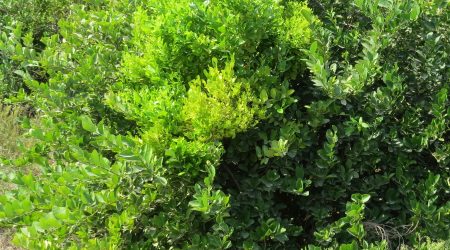
The microbial molecule that turns plants into zombies
A newly discovered manipulation mechanism used by parasitic bacteria to slow down plant aging, may offer new ways to protect disease-threatened food crops
Read the story
Excellence in plant and microbial science
A newly discovered manipulation mechanism used by parasitic bacteria to slow down plant aging, may offer new ways to protect disease-threatened food crops
Read the story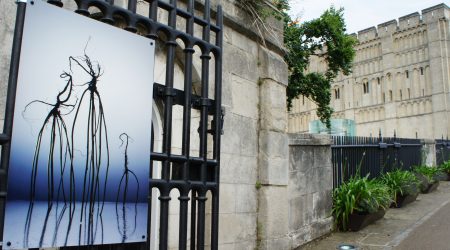
Early in 2021 the John Innes Centre was approached by local artist Jennie Pedley to develop a new science - art project exploring the production and sustainability of food crops
Read the story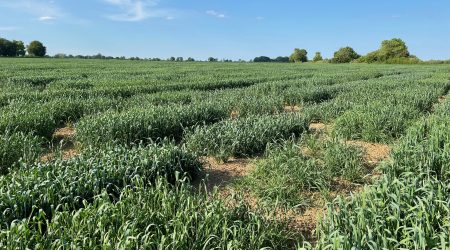
Cereal crops like wheat will have a particularly important role in future food security, yet their worldwide yields have plateaued. With agricultural land at a premium, one of the most urgent global challenges is to increase food production without expanding agricultural land area
Read the story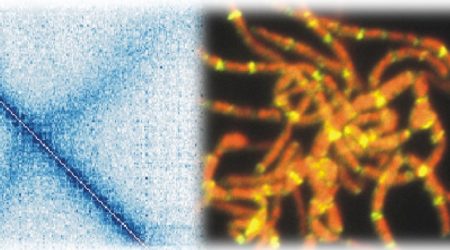
Streptomycetes are the richest source of antibiotics, anticancer agents and immunosuppressants used in human and veterinary medicine. The production of these important bioactive molecules is often intimately linked with the life cycle of this versatile genus of bacteria
Read the story
Back in 2013, then Dr Matt Hutchings was working at the UEA, collaborating with Mervyn Bibb to manipulate the soil bacteria Actinomycetes in the hope of making new antibiotics. Eight years later, now Professor Matt Hutchings has joined us here at the John Innes Centre, we sat down with Matt for an update
Read the story
In July, Dippy the Dinosaur arrived in Norwich, taking up residence in the Cathedral and this special Diplodocus has got everyone thinking and talking about evolution. As a plant and microbial research institute we thought we’d take a look at plant evolution and what kind of plants might have been around when Dippy walked the Earth
Read the story
Professor Ray Dixon recently talked to Alliance for Science Live about his research on nitrogen fixing bacteria and the future of engineering this process to benefit agriculture
Read the story
Many of us are privileged to have a choice in what we eat. With these choices comes the opportunity to reduce our own impact on the planet
Read the story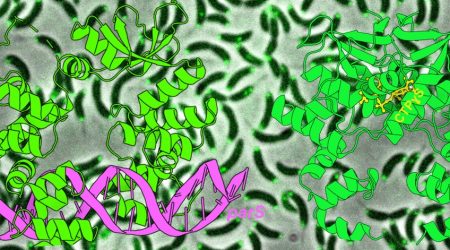
When cells divide, replicated chromosomes carrying DNA separate and move to daughter cells a process essential in all domains of life to ensure each daughter cell inherits a full copy of the genetic information of the parent
Read the story