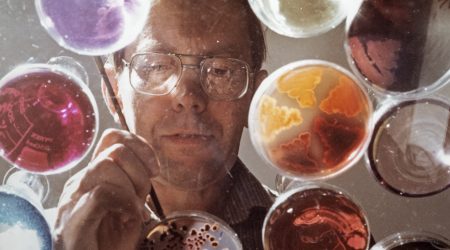
Unnatural Natural Products – the story behind a photo
Sometimes an adventure in science history begins with a chance find in a junk shop.
Read the story
Excellence in plant and microbial science
Sometimes an adventure in science history begins with a chance find in a junk shop.
Read the story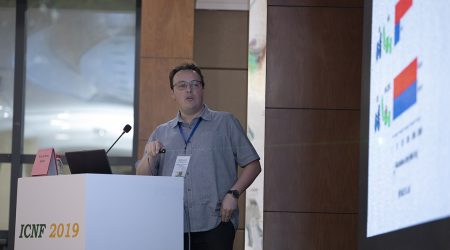
Dr Marcelo Bueno Batista has been awarded a three-year BBSRC Discovery Fellowship to take forward his innovative work at the John Innes Centre
Read the story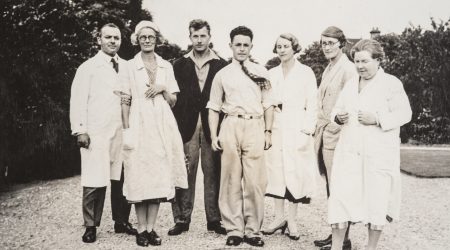
To celebrate International Women and Girls in Science day (11 February), archivist Sarah Wilmot explores the history of women in science, both at the John Innes Centre and before its formation.
Read the story
We take a look at how you can plan your appearance and body language to give a great talk
Read the story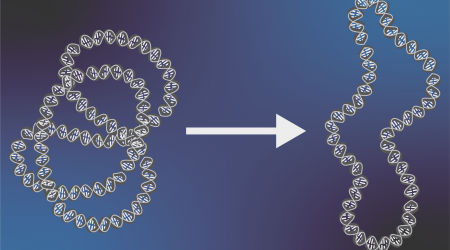
The function of an enzyme, critical to most forms of life, has been revealed.
Read the story
Cancers are a great concern to humans, but do not seem to be as great a threat to plants – why? Here we take a look at plant cell biology to find out more.
Read the story
We welcome changes to the regulation of genome edited plants announced by Defra which aim to cut unnecessary red tape when using the technology in plants for research and development.
Read the story
As we begin a new year, we thought we’d take a look back and share the most read blogs from last year, plus a few others.
Read the story
An innovative method of controlling a range of damaging crop diseases using native, beneficial soil bacteria has emerged from a research-industry collaboration.
Read the story