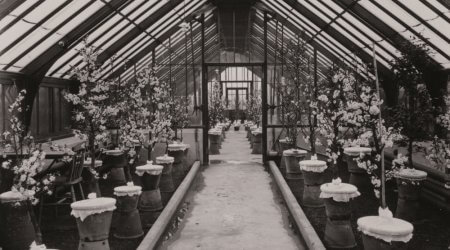
The John Innes Centre celebrates 50 Years in Norwich in 2017
2017 marks 50 years since the John Innes Institute moved from Bayfordbury near Hertford to its new home, on Colney Lane in south Norwich
Read the story
Excellence in plant and microbial science
2017 marks 50 years since the John Innes Institute moved from Bayfordbury near Hertford to its new home, on Colney Lane in south Norwich
Read the story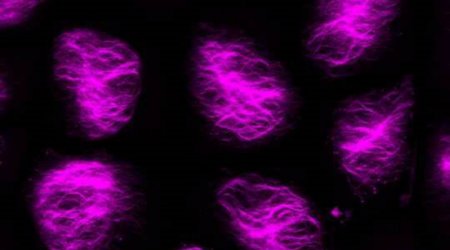
Research led by scientists at the John Innes Centre has solved a long-standing mystery by deducing how and why strange yet colourful structures called 'anthocyanic vacuolar inclusions' occur in some plants
Read the story
At the turn of the century, the idea of a European research programme that would focus entirely on scientific excellence, ignoring political or geographical considerations, seemed to many to be a fantastic pipe dream of the academic community
Read the story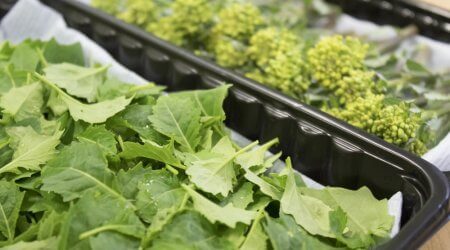
Scientists at the John Innes Centre are developing a new line of fast-growing sprouting broccoli that goes from seed to harvest in 8-10 weeks
Read the story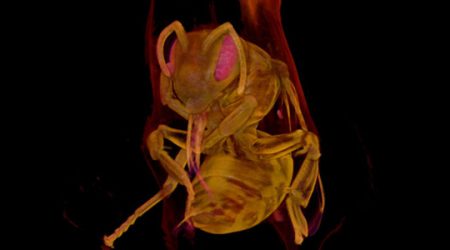
Plants come in all shapes and sizes – but why, and how?
Read the story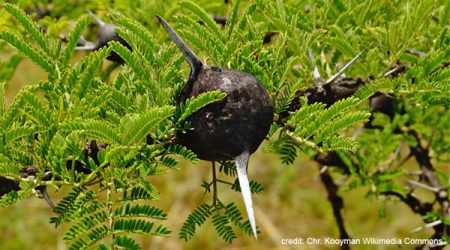
A new antibiotic, produced by bacteria found on a species of African ant, is very potent against antibiotic-resistant ‘superbugs’ like MRSA according to scientists
Read the story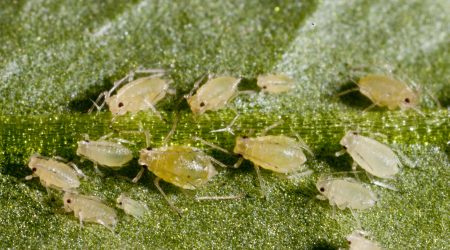
UK Scientists, in collaboration with groups in Europe and the US, have discovered why the green peach aphid (Myzus persicae) is one of the most destructive pests to many of our most important crops
Read the story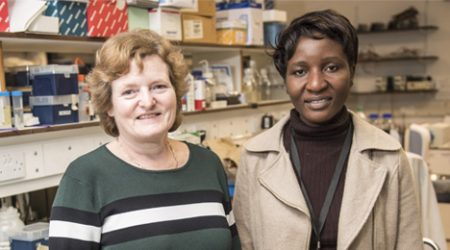
The John Innes Centre is pleased to welcome Veronica Guwela from the University of Malawi, for a three-month placement as part of her AWARD (African Women in Agricultural Research and Development) fellowship
Read the story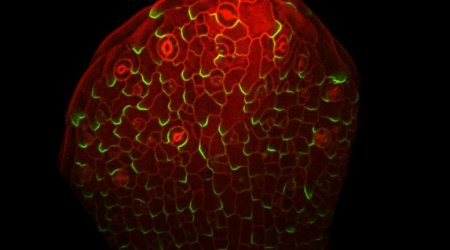
Scientists have published new evidence that plant tissues can have a preferred direction of growth and that this characteristic is essential for producing complex plant shapes
Read the story