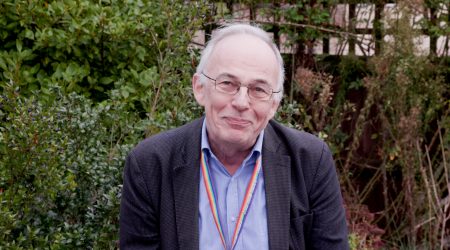
Prestigious Chinese award for Professor Dale Sanders
Professor Dale Sanders has received the Chinese Academy of Science (CAS) International Science and Technology Cooperation Award
Read the story
Excellence in plant and microbial science
Professor Dale Sanders has received the Chinese Academy of Science (CAS) International Science and Technology Cooperation Award
Read the story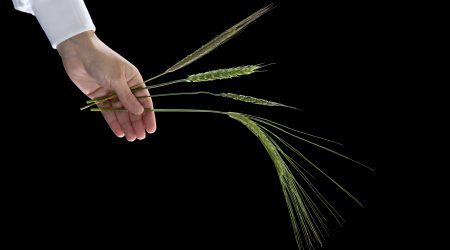
John Innes Centre researchers have helped in the development of pioneering gene stacking techniques to combat the growing threat of wheat rust
Read the story
Plants can tell the time, but how might that knowledge help improve crop protection and food security?
Read the story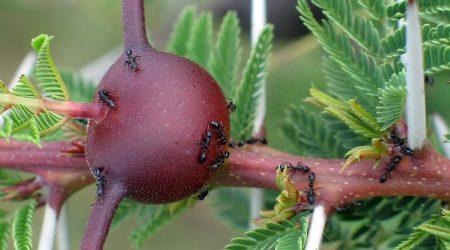
Scientists have used gene-editing advances to achieve a tenfold increase in the production of super-bug targeting formicamycin antibiotics
Read the story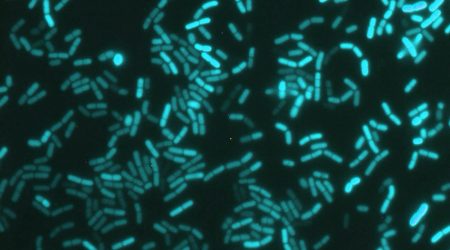
Humans have them, so do other animals and plants - now research reveals that non-photosynthetic bacteria too have internal daily clocks that align with the 24-hour cycle of life on Earth
Read the story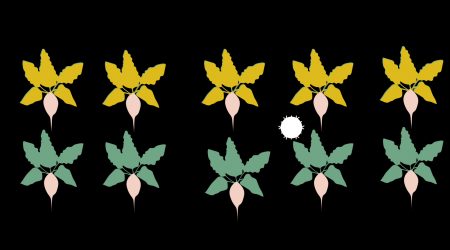
A leading John Innes Centre researcher and colleagues have been awarded European funding to develop innovative molecular solutions to combat a damaging sugar beet virus
Read the story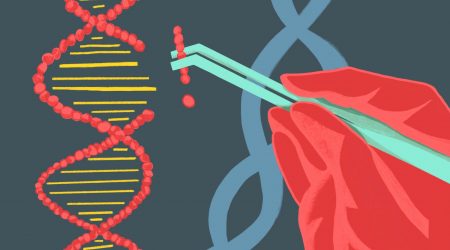
A European Court ruling widely interpreted to mean that all gene-edited organisms are GMOs (Genetically Modified Organisms) may not be as prescriptive as many first assumed
Read the story
Continuing our science communication series with UEA students, we asked biomedicine undergraduate Carmen Barber why she chose biomedicine and what university life is like during a global pandemic?
Read the story
We caught up with Dr Sam Fox, former Research Assistant and now Director of the Youth STEMM Award to hear the story of her career
Read the story