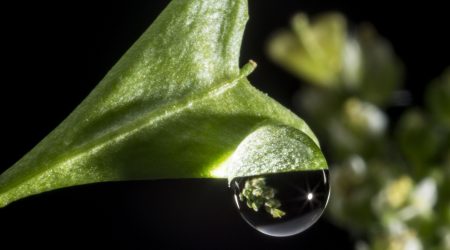
Research gets to the heart of organ shape in nature
Researchers have shed fresh light on the evolution and function of the shapes we see in nature - using as a model the heart shaped fruits of the Capsella genus
Read the story
Excellence in plant and microbial science
Researchers have shed fresh light on the evolution and function of the shapes we see in nature - using as a model the heart shaped fruits of the Capsella genus
Read the story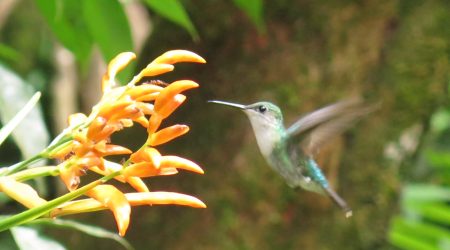
How do plants attract those pollinators, and how do they make sure their pollen gets to the correct species in order to be effectively spread? We sat down with new Group Leader Dr Kelsey Byers to find out
Read the story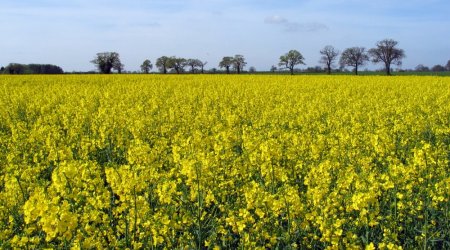
Researchers have launched a new web-based genomic tool for the global Brassica research community
Read the story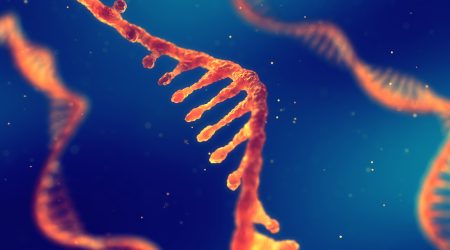
Research reveals how a newly discovered structural feature of RNA helps regulate gene activity and could be used to fine edit traits in crops
Read the story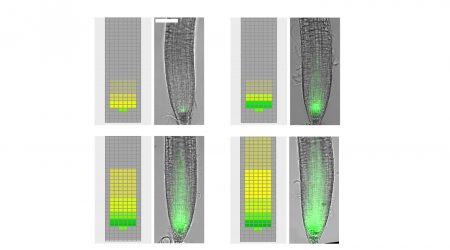
Plants have to interpret temperature fluctuations over timescales ranging from hours to months to align their growth and development with the seasons
Read the story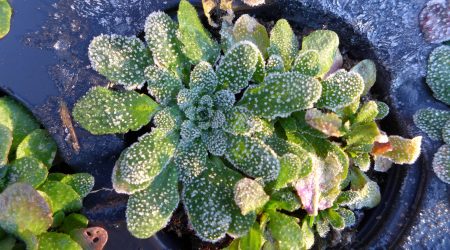
The process by which plants use a prolonged cold period – winter – to promote flowering is known as vernalization
Read the story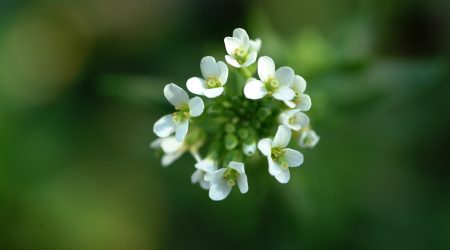
Researchers have characterised a gene from an early flowering Arabidopsis mutant and showed that the mutated gene encodes a protein that modifies chromatin - that is it affects the chemical modifications of the histone proteins that surround the DNA in our cells
Read the story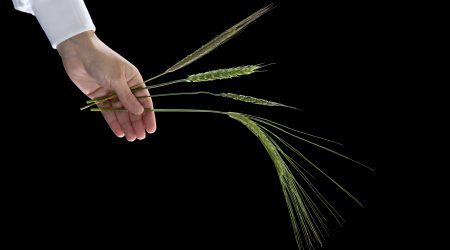
The United States Department of Agriculture’s (USDA) National Institute of Food and Agriculture has awarded a $650,000 grant for the study of emmer wheat – one of the very first cereals to be cultivated in agriculture
Read the story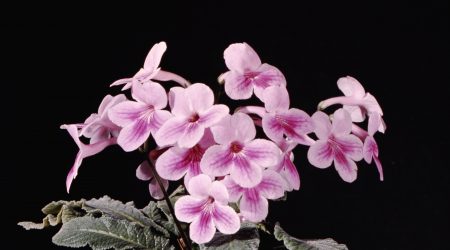
Sarah Wilmot re-visits the history of the ‘People’s Choice’ for ‘Plant of the Decade’; Streptocarpus and the breeding of it here at the John Innes, celebrating the contributions of two Alumni from our horticulture team
Read the story