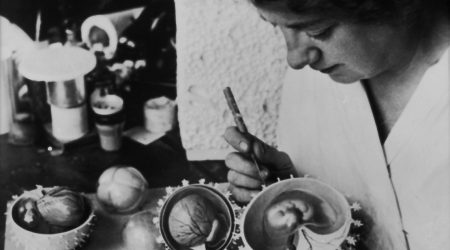
Innes Lecture 2021 – Visible Embryos: A History of Human Development
This year’s Innes lecture explores the links between two challenges: producing images of hidden objects and controlling human reproduction
Read the storyThis year’s Innes lecture explores the links between two challenges: producing images of hidden objects and controlling human reproduction
Read the storyYou take a seed home, put it in the ground, water it, and a few months later it has grown into a plant smarter than your smartphone. A miracle? Plants perform such feats all the time. As well as growing themselves, plants can do many other things that would defeat a smartphone. They can make...
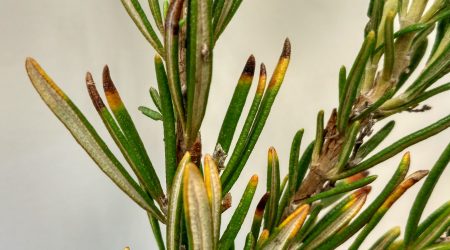
Read the storyThe BRIGIT consortium have designated the first week of March 2021 as 'Xylella Awareness Week'
Read the storyXylella is not present in the UK, but should it arrive, then the eco-epidemiology needs to be understood. However, there is a great deal of uncertainty over the UK pathosystem compared to the known outbreak locations. This BRIGIT Consortium Meeting session will present the latest Xylella findings from the BRIGIT project, shedding light on some of the uncertainties in a UK context
Read the storyDevelopment of Xylella diagnostics tools and how these tools are being made available to stakeholders is a half day virtual event hosted by the BRIGIT consortium
Read the storyAs the world grapples with a disastrous human health crisis, scientists will gather virtually October 7-9 to discuss strategies to safeguard the health of one of the planet’s most important food sources — wheat
Read the storyExplore the past, present and future of plants at Science Gallery Bengaluru’s first digital exhibition PHYTOPIA from 21 to 30 August 2020
Read the storyIn its second online event, the Borlaug Global Rust Initiative will present a series of reflections on what it means to deliver genetic gain in wheat to farmers and ways to improve the future impact of wheat research
Read the storyIntroducing a new open access journal, Quantitative Plant Biology, published by Cambridge University Press in collaboration with the John Innes Centre
Read the story