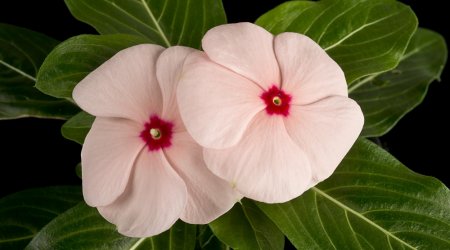
MIA transport protein no longer missing in action
John Innes Centre scientists have made a breakthrough in understanding how valuable anti-cancer compounds are produced in the Madagascar Periwinkle (Catharanthus roseus)
Read the story
Excellence in plant and microbial science
John Innes Centre scientists have made a breakthrough in understanding how valuable anti-cancer compounds are produced in the Madagascar Periwinkle (Catharanthus roseus)
Read the story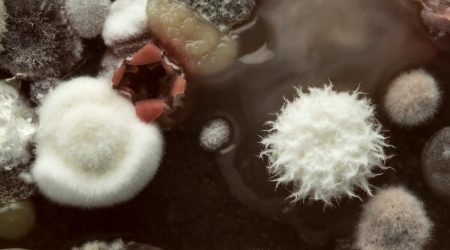
Scientists studying how bacteria produce spores have made a double discovery - they have identified the mystery signaling molecule that orchestrates the process of sporulation and also the unique way in which it works
Read the story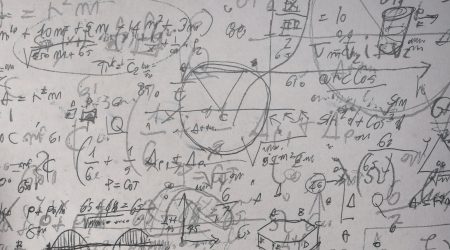
A key theory of the cell cycle of asymmetric bacteria, which has prevailed for the last ten years, has been disproved by a combined approach using mathematical modelling and genetic experiments
Read the story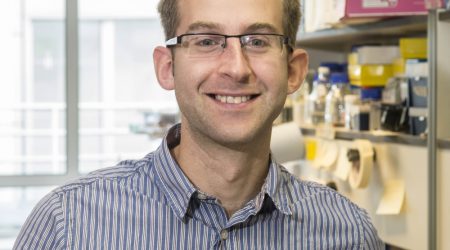
The Royal Society has appointed a university research fellowship to Dr Andrew Truman, funding him to work at the John Innes Centre for an initial five years. Dr Truman, joined the institute at the beginning of October and will investigate how bacteria are able to make medically useful compounds. “I find it astounding that nature...
Read the story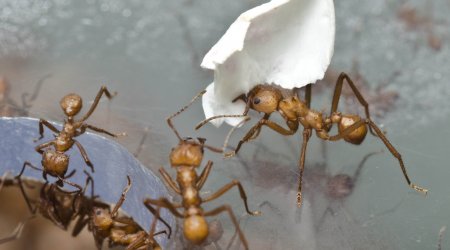
Norwich scientists are investigating sources of antibiotics which may sound surprising – including ants, stick insects, soil and potatoes
Read the story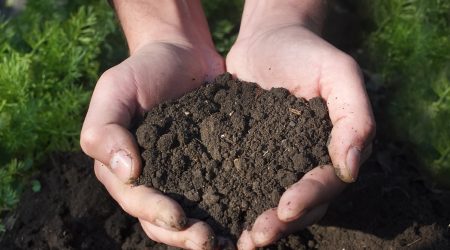
Three teams of UK and USA researchers will begin a programme of novel research to revolutionise current farming methods by giving crops the ability to thrive without using costly, polluting manufactured fertilisers
Read the story
Plants and microbes produce thousands of chemicals that facilitate communication with pollinators, competitors and predators
Read the story
In two papers published in Current Biology, researchers identify genes that help plants interact with microbes in the soil
Read the story
Plants and microbes produce a wide spectrum of natural products, which give them their huge range of colours, flavours and scents
Read the story