
Wheat
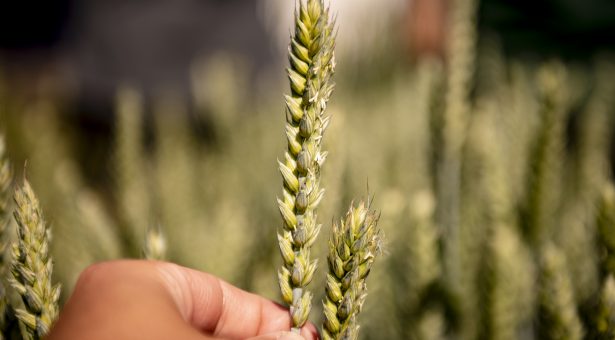
Wheat provides 20% of the calories consumed by the UK population and is the most important cereal in the arable crop rotation.
11.1 million tonnes of wheat was produced in the UK in 2024 but, like many crops, wheat yields are susceptible to pest and disease, and to adverse weather conditions. Our research aims to improve resilience of wheat to pests, disease and climate change, in addition to improving its nutritional quality.
Improving the yield of wheat
PROBITY – A Platform to Rate Organisms Bred for Improved Traits and Yield – is a farmer-led research programme, funded by Defra’s Farming Innovation Programme. This multi-partner project is trialling the production and processing of precision-bred crops to understand their value for sustainable food and farming. The seed harvested from plots grown at the John Innes Centre field trial station in 2025 will allow farmers in England to trial them in their fields in 2026. Research in Professor Cristobal Uauy’s group has developed a wheat line with bigger bolder grain size and it will be tested on-farm as part of this programme.
Beneficial microbes for environmentally friendly farming
Mutually beneficial relationships between plant roots and soil microbes, such as nitrogen-fixing bacteria called rhizobia and arbuscular mycorrhizal fungi, enhance nutrient uptake and reduce the amount of inorganic fertiliser needed. Research in Dr Myriam Charpentier’s group aims to advance our understanding of this relationship. A specific gene mutation that increases this mutually beneficial relationship in wheat has been identified and field trials are underway to further understand how this mutation promotes enhanced nutrient acquisition. This new knowledge could improve wheat crop production without increasing inorganic fertiliser use.
Protecting wheat against slugs
Slugs are estimated to cause about £43.5m of crop damage per year to UK wheat and oilseed rape. SLIMERS is a farmer-led research programme, partnered with the John Innes Centre, which aims to find sustainable solutions for slug management. Research led by Dr Simon Griffiths’ group has discovered useful genetic diversity from the A.E. Watkins landrace collection of bread wheat including one accession that is more resistant to slug feeding. Work is underway to identify the genes responsible and additional slug feeding experiments take place under controlled conditions within the Insectary at the John Innes Centre.
Drought tolerance
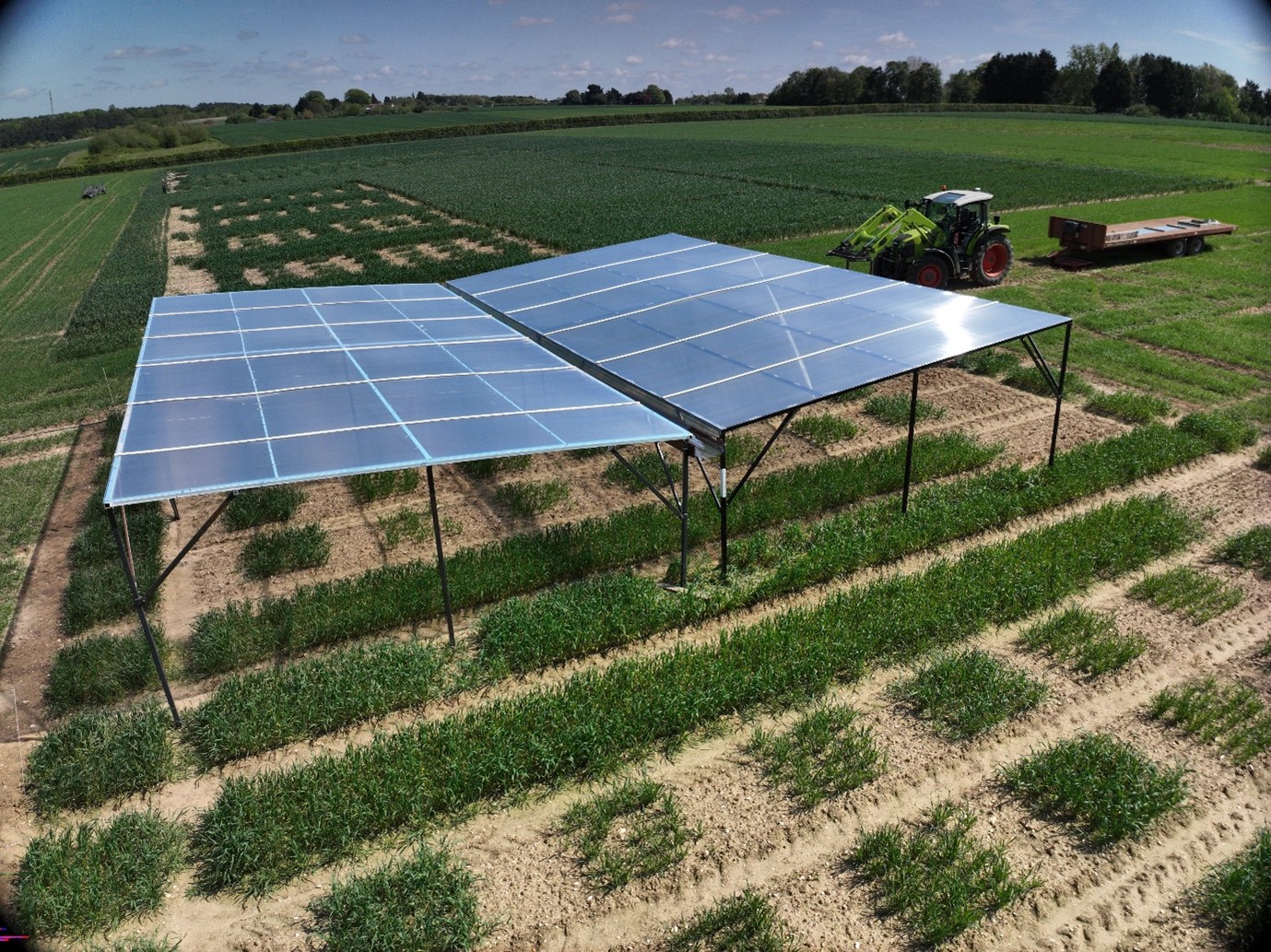
Dr Philippa Borrill’s group is investigating how altering wheat height and the rate of senescence, or ageing, affects yield and tolerance to drought stress. Rain-out shelters have been set-up at the JIC field station which limit rainfall onto field plots. The group continue to investigate and validate wheat genetic variation that improves tolerance to drought stress.
Improving the nutritional quality of wheat
Dr Philippa Borrill’s group is also trialling wheat lines that vary in micronutrient content, such as iron, zinc and protein. In collaboration with Rothamsted Research and the Quadram Institute, the group are assessing these wheat lines for the bioavailability of the micronutrients and their suitability for breadmaking.
Working with plant breeders, food producers and industrial starch manufacturers, research in Dr David Seung’s group is advancing our understanding of how the properties of starch in wheat grain can be modified to meet the requirements of different end uses. Wheat lines with diverse starch granule shapes and sizes are currently being assessed at the John Innes Centre field trial station for performance under field conditions, and will be tested for their pasta making quality, health properties, and suitability for industrial starch production.
National List Trials
In addition to our research, wheat is also grown at our field trial station for the Variety and National List Trials.