A look back at our 2024 Annual Science Meeting awards
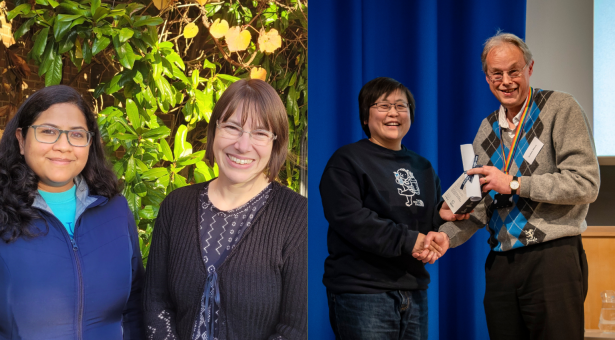
This week is the JIC/TSL Annual Science Meeting (ASM), our yearly conference event for all staff and students. This is an opportunity for our scientists to present their new research to each other, and to learn more about our plant and microbial science projects and programmes.
Each year at the ASM, awards are given to those who go above and beyond, and include JIC’s Director’s awards, Mentor awards and the John Innes Foundation student awards.
Here we’re going to take a look back at last year’s outstanding award winners.
The John Innes Centre (JIC) is made up of nearly 500 staff and students from more than 40 countries across the world.
In 2024 the scope of the JIC Director’s awards was widened to allow nominations of any individual staff member or student at the institute, whatever their role, to recognise the value of diverse roles and the contributions they make to the institute.
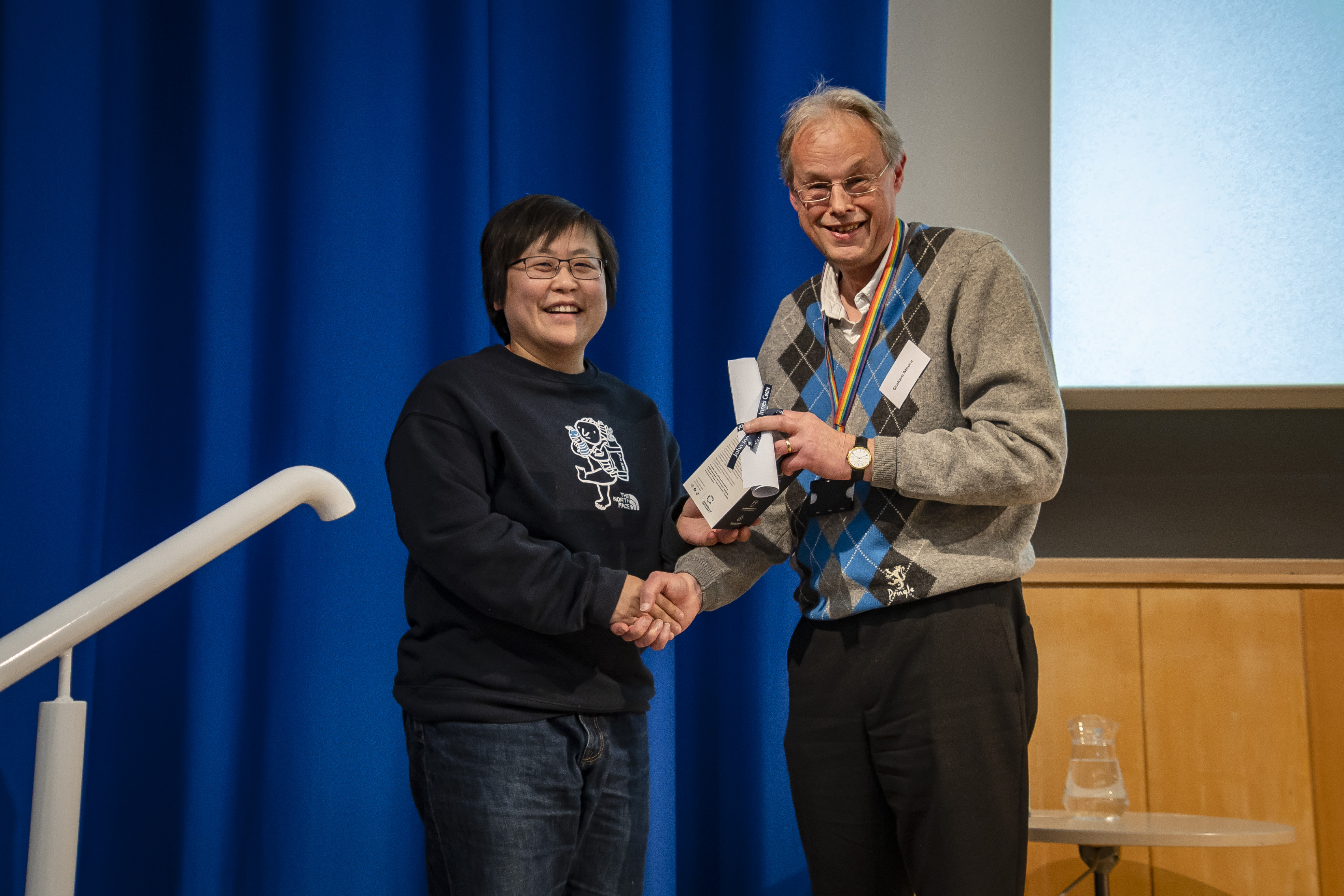
Professor Graham Moore FRS, who presented the award as Director of the John Innes Centre in 2024, said: “Research is a team endeavour, and it takes the dedication and diverse specialisms of so many individuals to achieve the discoveries and developments that make our centre what it is.”
“This is why the Director’s awards are open to all colleagues. We had a fantastic range of strong nominations, which is a testament to the quality, dedication and successes of our staff. It was a challenge to select our exceptional winners from the nominations, but I was delighted to celebrate their immense contributions to our community and to plant science globally.”
The 2024 Director’s award winners
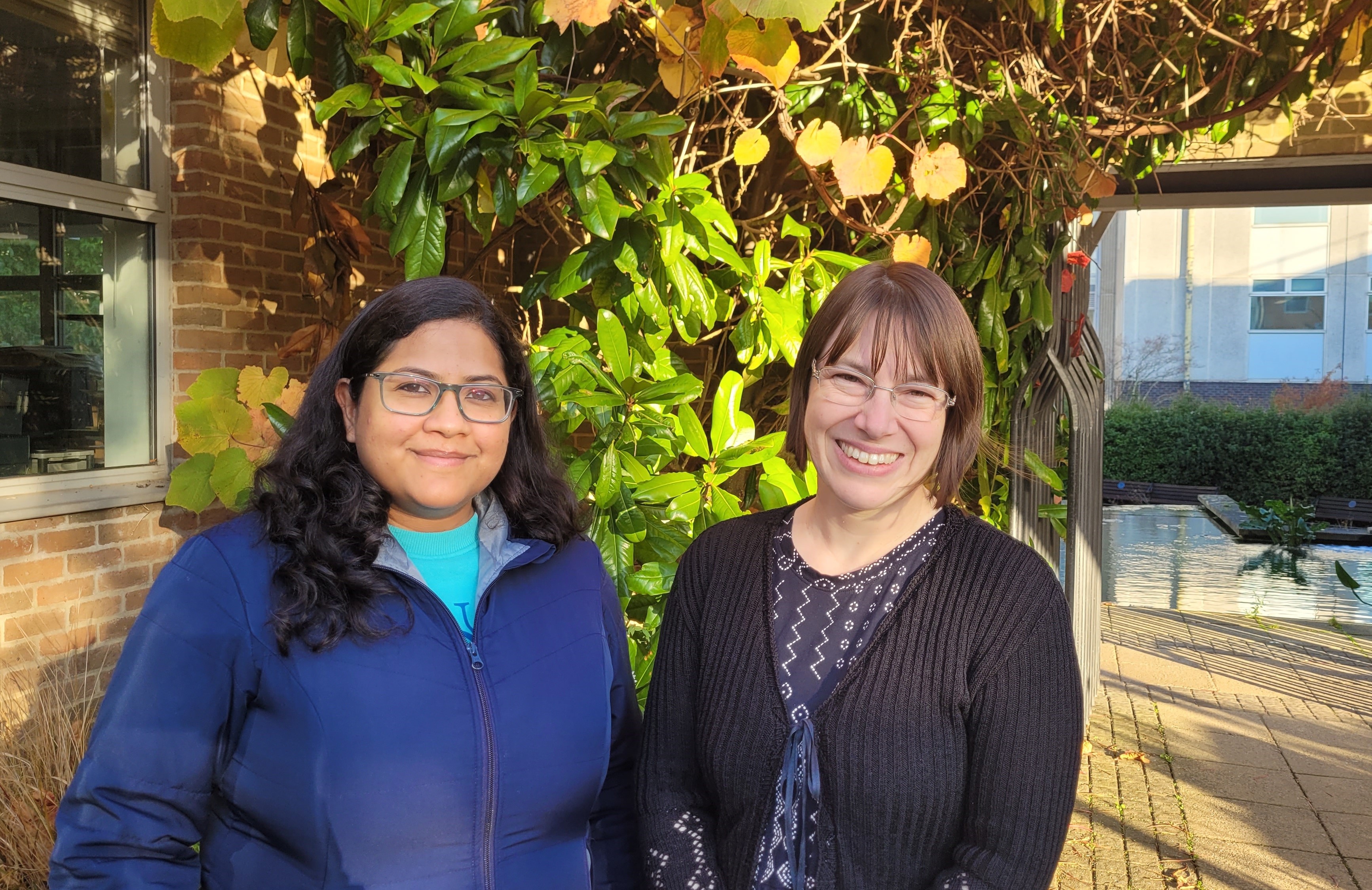
- Dr Ishika Pramanick, postdoctoral researcher
Ishika was nominated for her work using an advanced microscopy method to explore how photosynthetic proteins are made in plants. She displayed ingenuity and perseverance to complete this work, and she played a critical contribution in determining the first model of a chloroplast RNA polymerase (an enzyme) using cryogenic electron microscopy (cryo-EM). This was exceptionally challenging, but the results will now be used by many scientists worldwide and will have a huge impact on plant science. It has enhanced the reputation of the John Innes Centre as a place of excellence in modern structural biology methods.
- Sarah Tolland, core administration team manager
Sarah was nominated by many colleagues, with one person citing: “Sarah’s dedication to JIC and support of its platforms and departments is immense. There is not a team where her help and influence is not felt.” Her administrative and wider support is often invisible, but vital. Sarah runs the Friday Seminar programme, organises multiple conferences, training events and summer schools, and is the coordinator for over a dozen committees. She is also a culture champion and continues to provide vital support for colleagues planning virtual/hybrid meetings and events too.
- Professor Yiliang Ding, group leader
Yiliang leads vital interactions with colleagues in China and goes above and beyond to do this, even hosting guests at her home and working extra hours to accommodate the time difference. Her level of dedication, care, and enthusiasm in developing positive partnerships and collaborations is all in addition to her own science programme. She has also been integral to the Centre of Excellence for Plant and Microbial Science (CEPAMS) initiative, which brings together the John Innes Centre and the Chinese Academy of Sciences (CAS) to achieve global aspirations of food security and sustainable health care, working together for excellent science and global public good.
The Mentor awards are awarded by the John Innes Centre’s Research and Support Staff Voice, Post-doc Voice, and Student Voice groups.
Outstanding Mentor Award winner
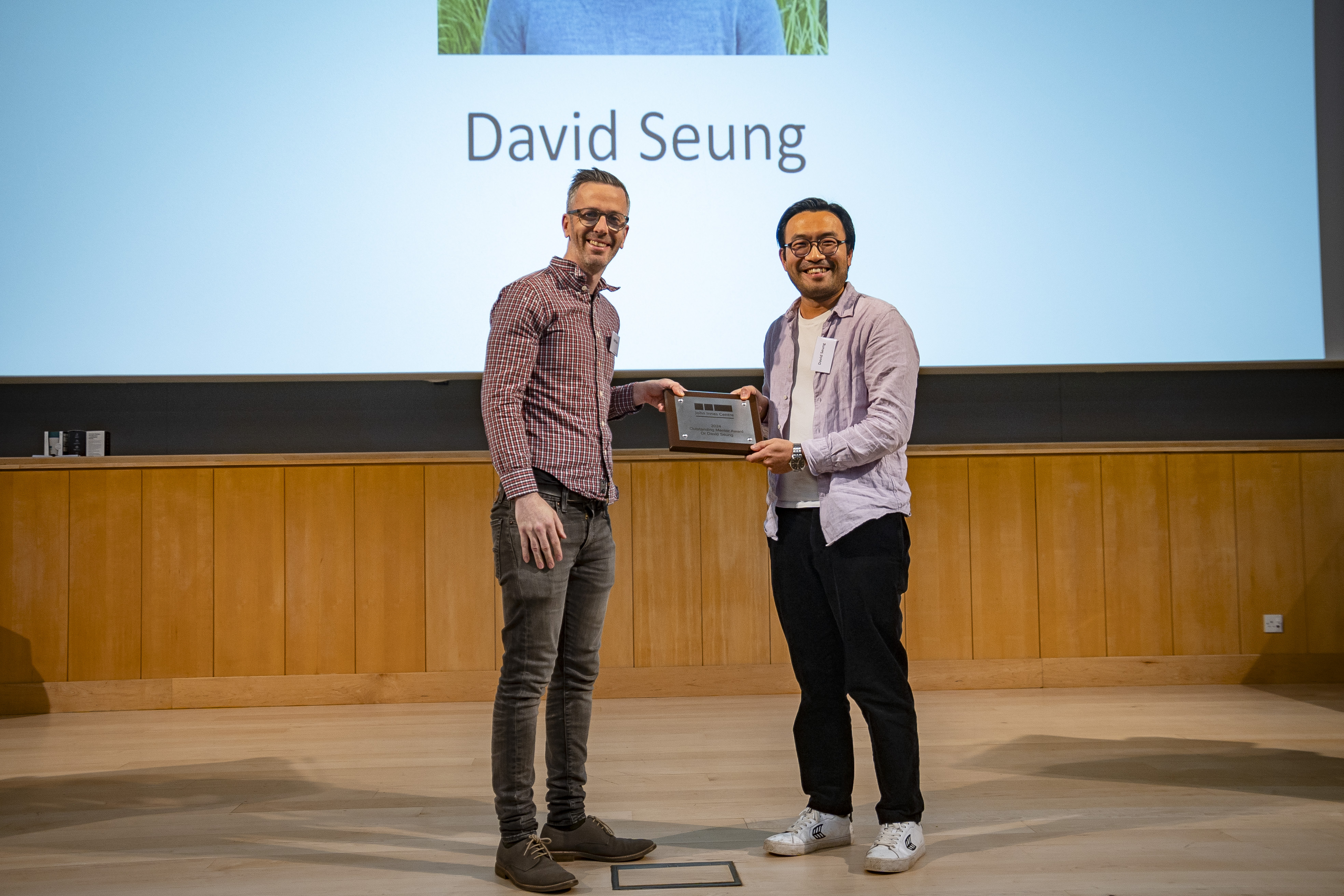
- Dr David Seung, group leader
Nominated by a PhD student with the input of many past and current students, David’s submission cited his passion and excitement for science, as well as his kindness and interest towards his mentees’ career goals. Students said that David’s door is always open for questions, and his upbeat and proactive attitude, where no question is belittled and no issue is too small, makes him a truly outstanding mentor.
Mentor Champion Award winners
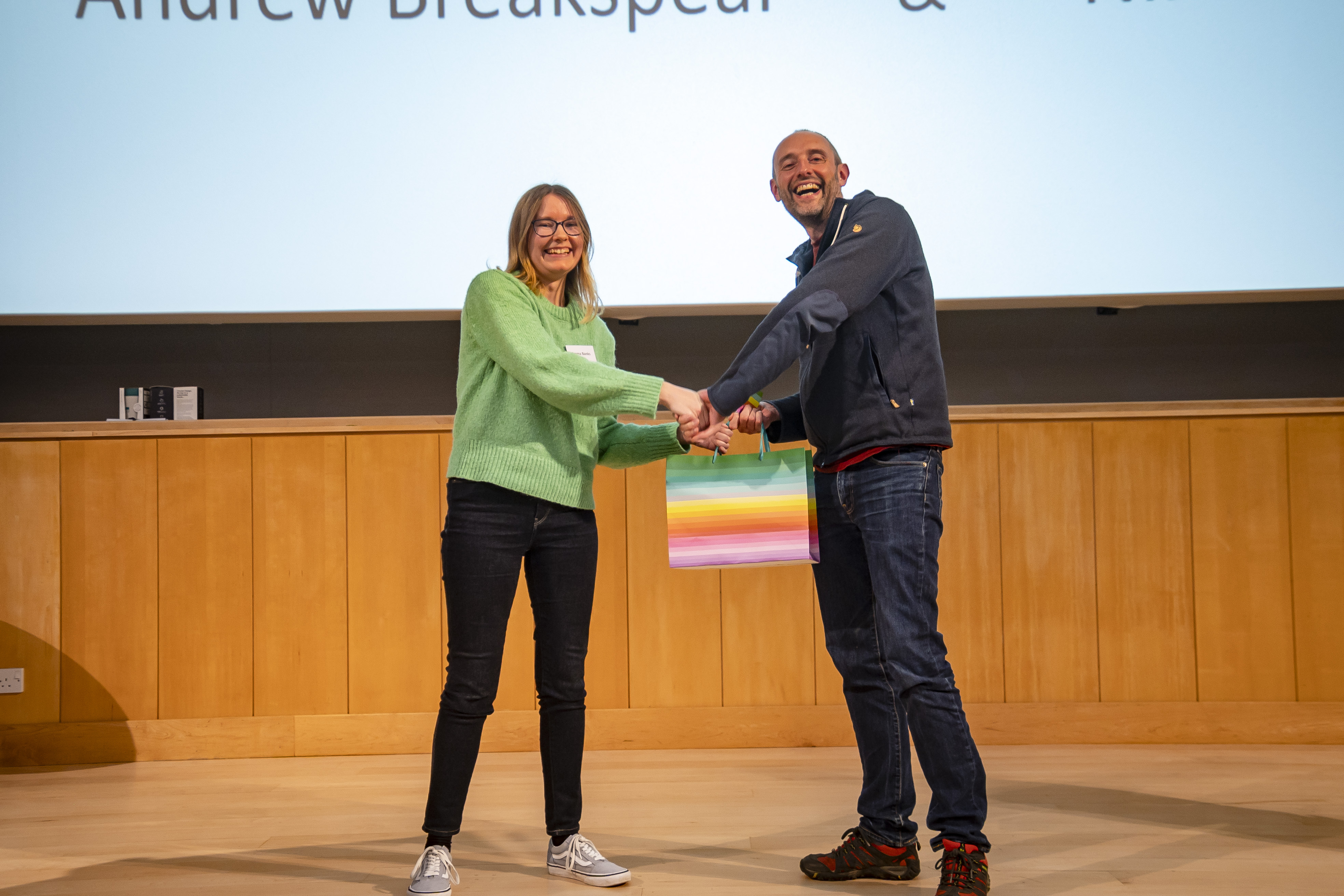
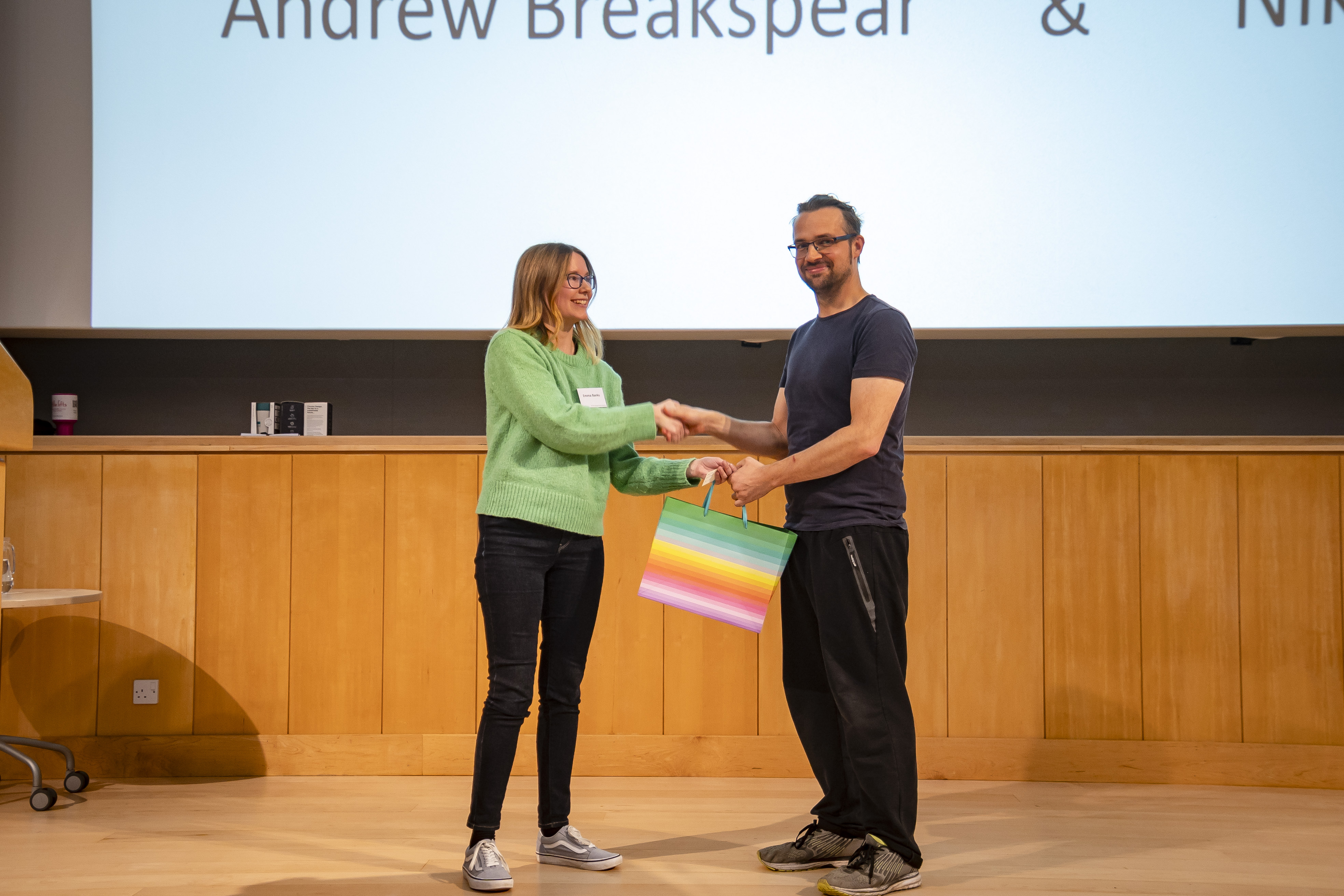
- Dr Andrew Breakspear, research assistant, and Dr Nikolai Adamski, postdoctoral researcher
Andrew was described as “kind, enthusiastic, and incredibly friendly” and as having a reputation of being a knowledgeable scientist with a diverse set of skills. He is extremely approachable, generous with his time, and eager to help anyone who needs assistance. He was also praised for playing a central role in many of the social activities that hold the institute’s culture together.
Nikolai leads a comprehensive programme of mentorship. He dedicates energy and a large portion of his day to teaching, troubleshooting, and transferring scientific skills to PhD students and visiting scientists in the lab. His deep technical knowledge and welcoming, personable qualities have enabled him to make a profound impact on advancing the careers of countless appreciative scientists.
Finally, the 2024 John Innes Foundation awards were also announced at the Annual Science Meeting. The John Innes Foundation is a charitable organisation that supports plant and microbial science through funding research, education, training, and public engagement at the John Innes Centre and across the wider scientific community. Each year, the Foundation awards prizes for outstanding achievements by PhD students from institutes at the Norwich Research Park.
The 2024 John Innes Foundation prize for Excellence in Science Communication
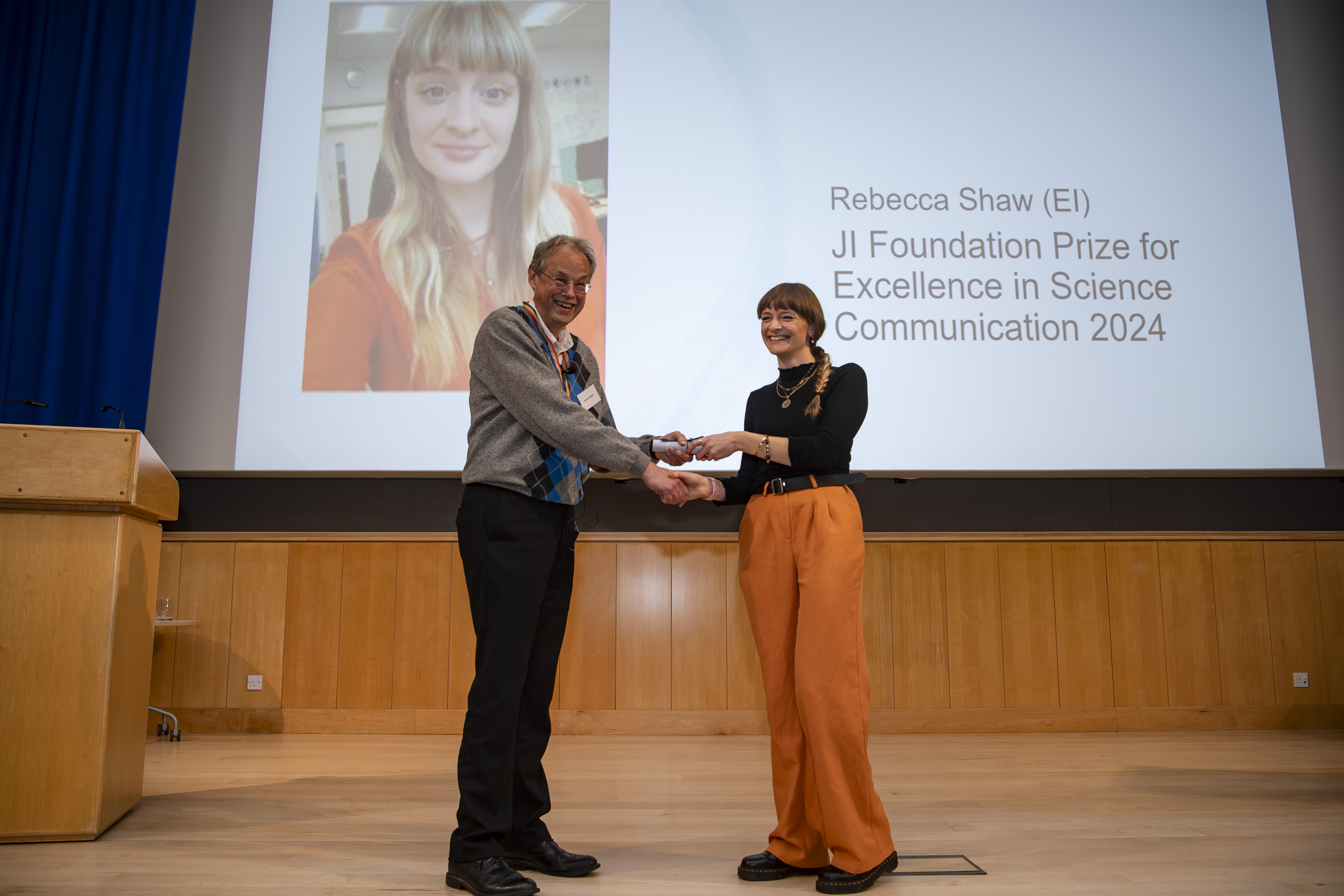
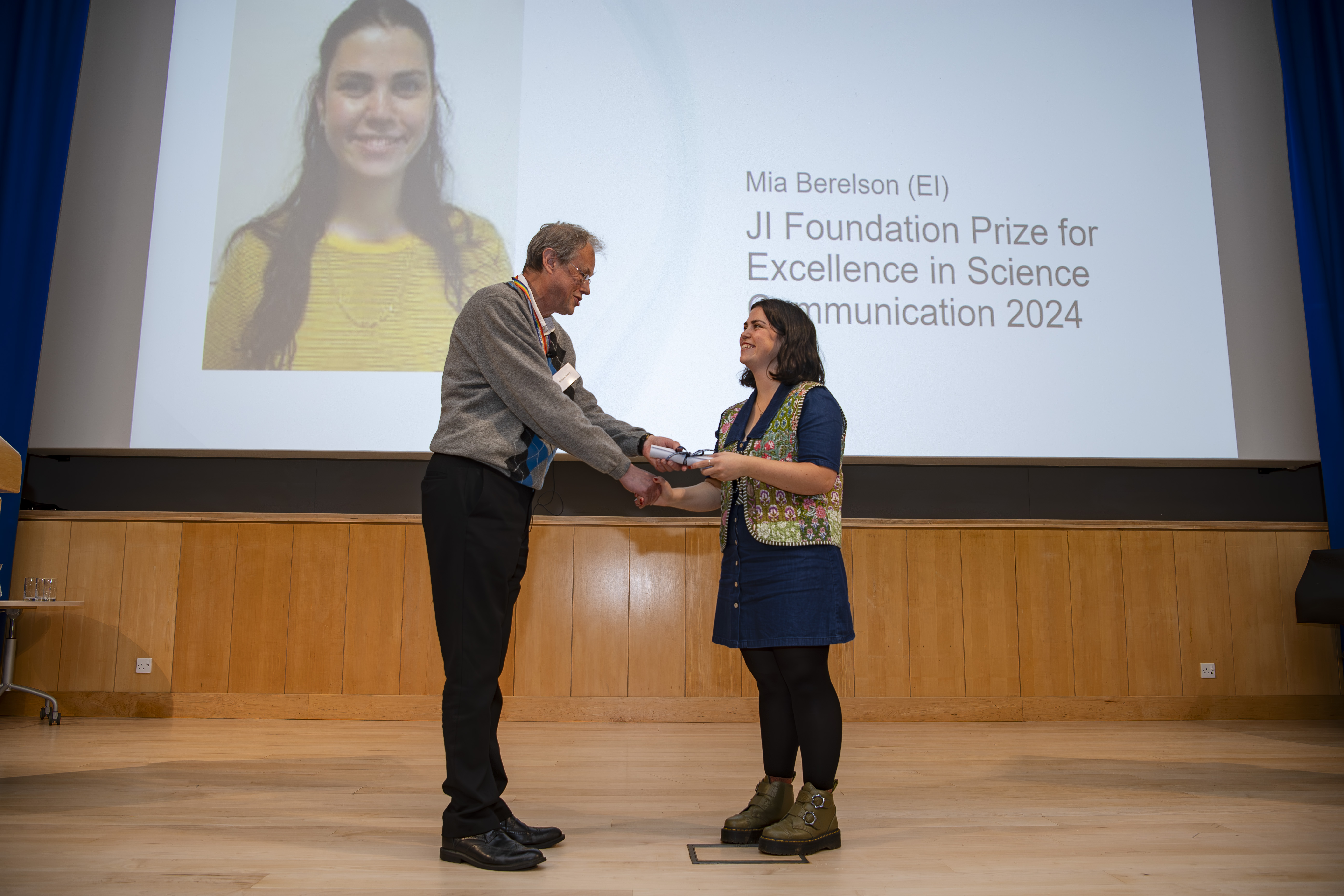
Two Earlham Institute students, Becky Shaw from the Haerty group and Mia Berelson from the Leggett group, were awarded the 2024 John Innes Foundation prize for Excellence in Science Communication.
Becky was in her 4th year of her PhD at the Earlham Institute exploring genetic bottlenecks, with a particular focus on genetic differentiation in European polecat populations in the UK and the associated impact on conservation efforts.
Mia was also in the final year of her PhD applying the Institute’s AirSeq approach for sequencing airborne biological material to the task of surveillance of emergent crop pathogens.
The 2024 John Innes Foundation prize for Excellence in Scientific Research
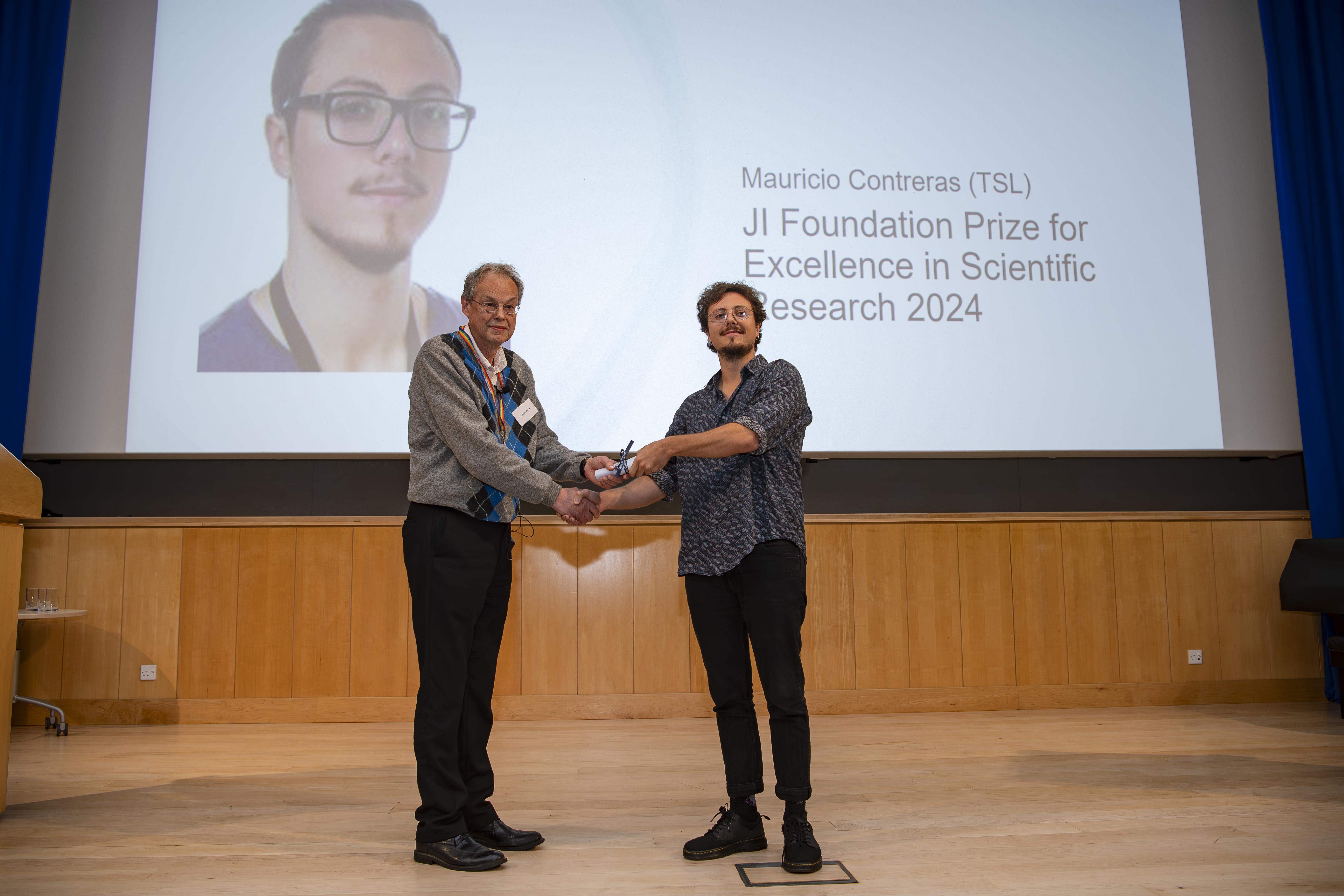
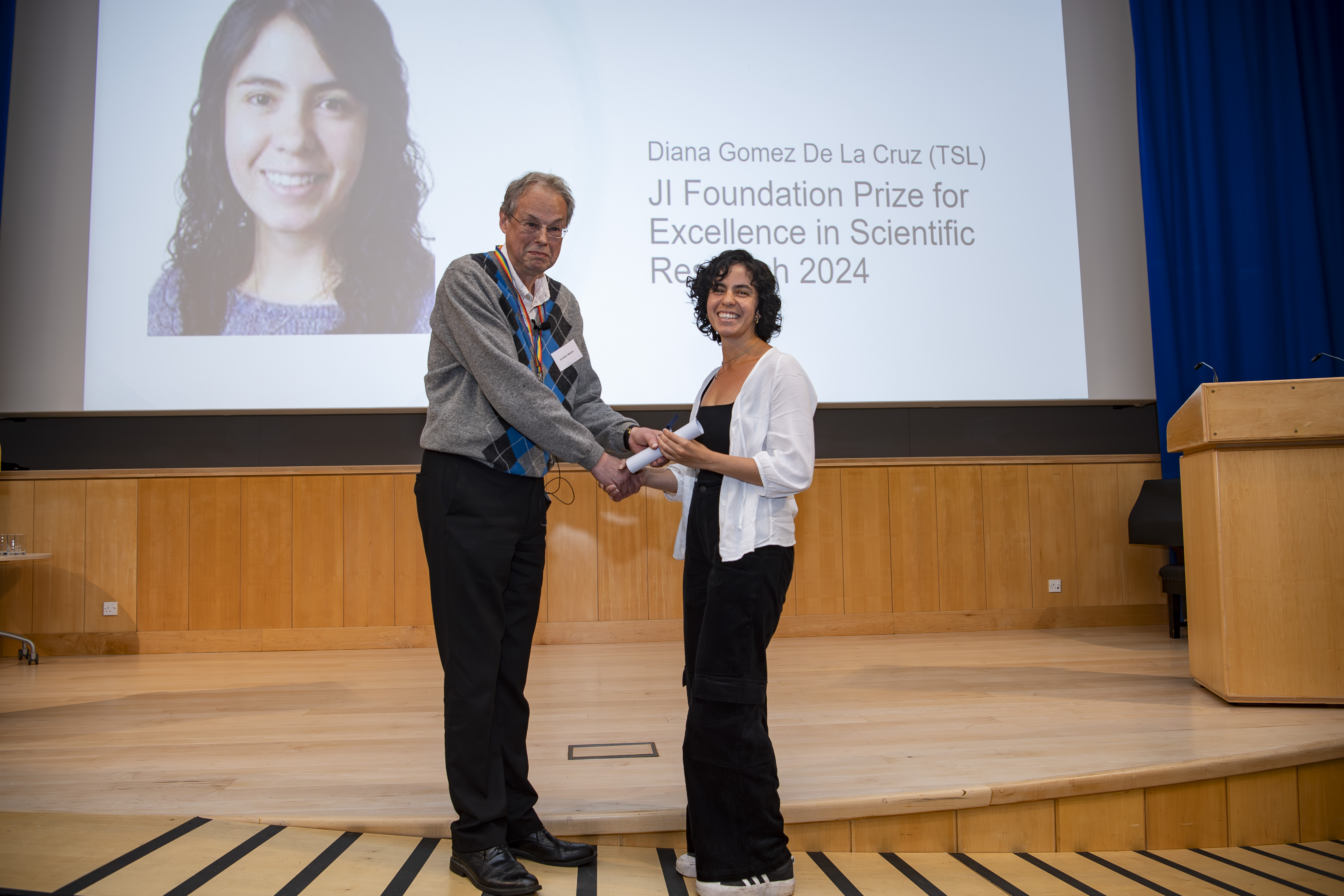
The joint winners of this prize were Dr Diana Gómez De La Cruz and Dr Mauricio Contreras, postdoctoral scientists from The Sainsbury Laboratory. Diana was recognised for her work on plant-pathogen interactions and the plant immune system. Mauricio was celebrated for his work on understanding the molecular mechanisms that underlie nucleotide-binding leucine-rich repeat immune receptors (NLR) activation following pathogen perception, which could help engineer healthier, more resilient crops.