
A collaborative pioneer’s career in wheat research
We’re proud to celebrate the career of Professor Graham Moore FRS, group leader and outgoing Director of the John Innes Centre. Professor Moore has worked in plant science for more than 30 years, at both the Plant Breeding Institute, Cambridge, and then at the John Innes Centre, Norwich. He has developed and strengthened the institute’s position in plant and microbial science and has been instrumental in developing its future plans. More widely, he is internationally renowned for his work on wheat, one of the most important global crops, and his career has had a huge impact on cereal research.
Professor Moore provided an understanding of the control of pairing and crossover between related chromosomes in wheat, crucially enabling genes from wild relatives to be incorporated into the wheat genome. Without this major leap, JIC researchers would not be able to diversify current commercial wheat varieties with some of the vital genes from the Germplasm Resource Unit’s ancient Watkins wheat collection, for example. This ability could help confer drought and disease resistance to vital wheat populations.
He also successfully discovered the genes involved in the temperature sensitivity of wheat meiosis. Meiosis in plants is a stage of cell division in sexual reproduction, when chromosomes from parent cells cross over and pair to create seeds for the next generation. This understanding is vital to assess the impact of global warming and climate change on wheat growth and agriculture.
The concept of Cereal Synteny was developed by Professor Moore, for which he was awarded the Royal Society Darwin Medal in 1998. Synteny describes the concept of finding consistent groups or blocks of genes on chromosomes of different cereal species, such as On behalf of many of us, I express my thanks to Graham and wish him all the best for his retirement rice and wheat. This theory has since been utilised widely in genomic research across plant, animal and microbial kingdoms too.
More recently, he characterised the wheat meiotic ZIP4 gene, the major ancestral duplication of which stabilised wheat and led to a doubling of its grain number, an event of extraordinary value to agriculture.
As he begins a well-earned retirement, Professor Moore is often praised for his collaborative approach by his colleagues. Professor Noel Ellis, affiliated senior scientist, said: “Graham is open and interested. He is not quick to judge and he listens to what you say. One of his major strengths is his patience and willingness to take a long-term view. He has always been dedicated to science and answering fundamental, biological questions. He has put the needs of the institute first and is a true strategist. On behalf of many of us, I express my thanks to Graham and wish him all the best for his retirement.”
Looking to the future
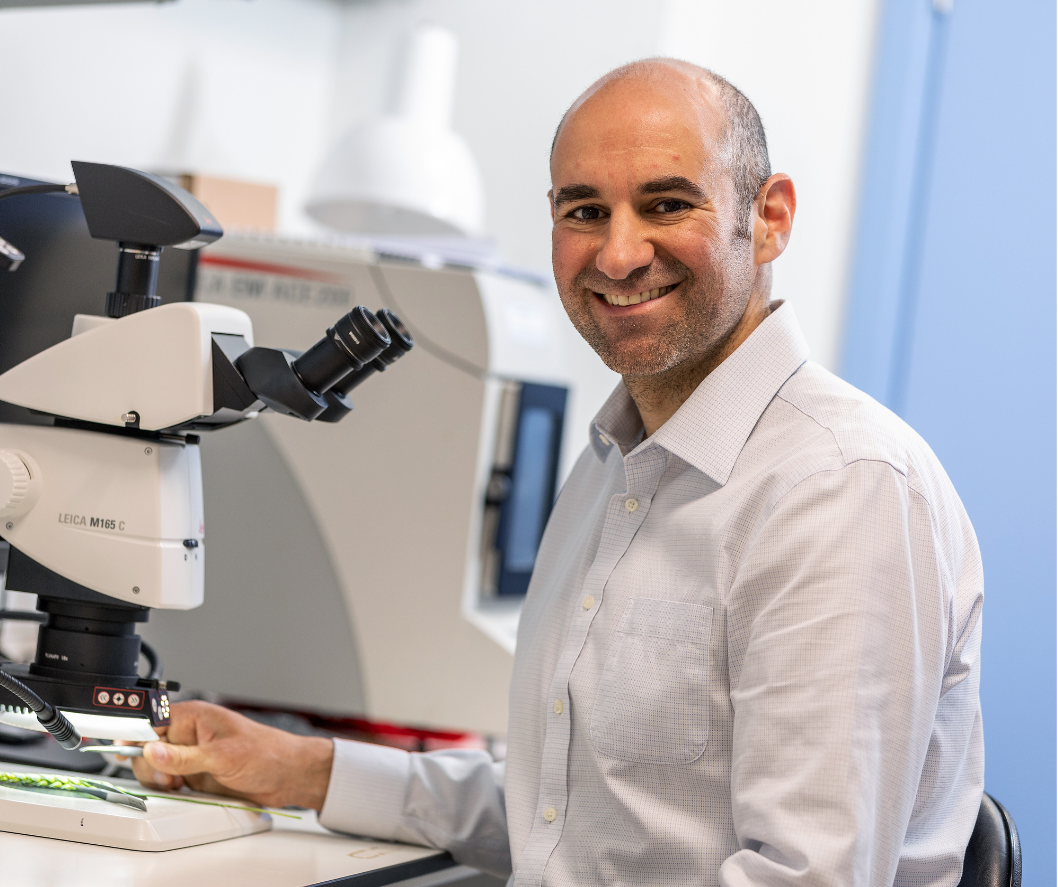
Professor Cristóbal Uauy begins his new role as Director of the John Innes Centre in September 2025. He said: “Graham has been a huge support and inspiration for me, and I am delighted and deeply honoured to take on the directorship at such an exciting time, as we progress our vision for Healthy Plants, Healthy People, Healthy Planet. “I look forward to working closely with colleagues to continue to build on our strength in discovery-led research, as well as applying our knowledge for the benefit of humanity and the environment.”


Share