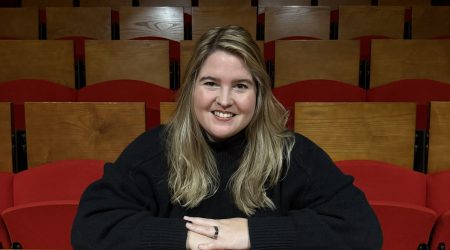
New group leader to shed light on supercharged photosynthesis
We are pleased to announce that Dr Tina Schreier will join the John Innes Centre as a tenure-track Group Leader in July 2026.
Read the story
Excellence in plant and microbial science
We are pleased to announce that Dr Tina Schreier will join the John Innes Centre as a tenure-track Group Leader in July 2026.
Read the story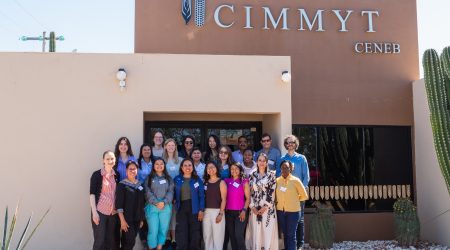
March 2026 marked the latest milestone in the strategic partnership between the John Innes Centre and International Maize and Wheat Improvement Center (CIMMYT), with a visit to CIMMYT’s Obregón field station in Mexico. Taking place during CIMMYT’s annual Visitor’s Week, which brings together researchers from across Africa, Asia, Mexico, the United Kingdom and the United...
Read the story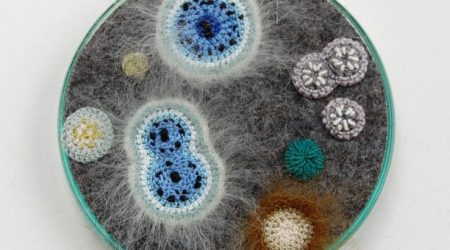
The Department of Molecular Microbiology is organising a one and a half day Early- Career Microbiologists Mini-Symposium. The symposium will be held from Tuesday 22nd – Wednesday 23rd September 2026. Overview The aim of this event is for the John Innes Centre to hear state-of-the-art presentations in bacterial microbiology, to enhance our understanding of where exciting new...
Read the story
The CCP4-BCA Protein Crystallography Summer School is intended for students and researchers relatively new to crystallography. Its dual aims are to provide comprehensive training in crystallography and to promote best practise through a combination of lectures and hands-on tutorials. Lectures will cover the range of techniques required for a protein structure solution, from protein expression...
Read the story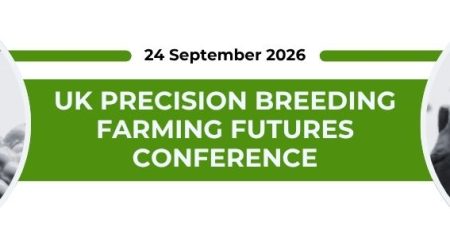
Healthy Plants, Healthy People, Healthy Planet Join us for a one‑day conference bringing together farmers, breeders, researchers, policymakers, and industry leaders to explore the fast‑evolving opportunities of precision breeding in the UK. What to expect The Global Landscape for Precision Breeding – How science, regulation, and trade are shifting — and what this means for the...
Read the story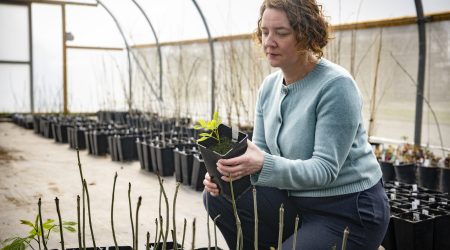
A fast-track method of breeding disease-resistant ash trees has been developed by researchers leading efforts to conserve the species
Read the story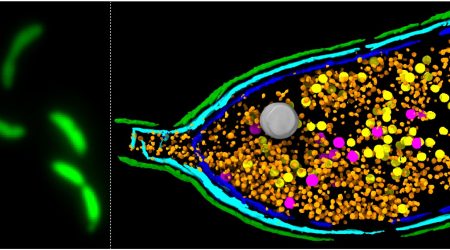
Research has shed important new light on the enemies-turned-allies that allow bacteria to exchange genes, including those linked to antimicrobial resistance (AMR)
Read the story
We are devastated to announce that our colleague and friend Professor Philippa Borrill died over the Easter weekend following a rare immune system disorder (HLH). She was a fantastic scientist, collaborator and mentor, and a close friend to many.
Read the story
The Delivering Sustainable Wheat virtual training course recently returned with renewed energy, under its new name Green Horizons, offering more than 100 students from 19 UK universities a rare opportunity to engage directly with modern plant science.
Read the story