Our science
All the plant and microbial science we are working on, our departments, facilities and support for researchers
Read about our science
Excellence in plant and microbial science
The John Innes Centre is an independent, international centre of excellence in plant science, genetics and microbiology
We are an independent, international centre of excellence in plant science, genetics and microbiology, and a registered UK charity. The John Innes Centre is a UKRI-BBSRC strategically supported institute.
Our institute fosters a creative, curiosity-driven approach to fundamental questions in bio-science, with a view to translating that into societal benefits. Over the last 110 years, we have achieved a range of fundamental breakthroughs, resulting in major societal impacts. The director of the John Innes Centre is Professor Cristóbal Uauy.
Registered Charity Number: 223852
All the plant and microbial science we are working on, our departments, facilities and support for researchers
Read about our science
A vision to deliver solutions to global challenges, securing a safer, healthier and more sustainable future through the power of plant and microbial science.
Read about our vision: healthy plants, healthy people, healthy planet
To unlock the full potential of our bold HP3 vision, we must embrace philanthropic partnerships.
Read about support us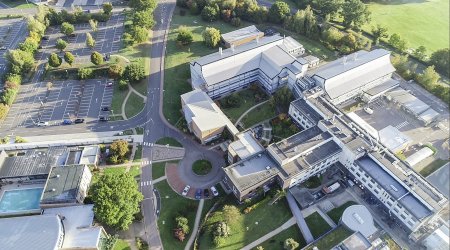
How we got here and the future of plant and microbial science
Read about our mission and our history
Over 100 years of scientific excellence and positive impacts on society, the environment and human health
Read about our successes
Where our funding comes from, our Annual Reports and accounts
Read about our funding, annual reports and accounts
Who we are and who does what, from our research groups to our Directorate, Governing Council and the Science and Impact Advisory Board
Read about our people
Where we stand on the key issues facing the scientific community and our Research Integrity Statements
Read about our position on...
How you can get involved with us, from working with us, using our facilities or meeting our scientists at events
Read about get involved with usThe benefits and opportunities on offer, plus the joys of living and working in Norwich and Norfolk
Read about working at the john innes centre
The Norwich Research Park is a community of independent research organisations with world leading science credentials, located just outside the historic city of Norwich, England
Read about life on the norwich research park